
Our planet is a masterpiece shaped by time, fire, water, wind, and silence. Some places announce themselves with global fame. Others stay tucked away in mountain folds, deep cave systems, desert basins, and forgotten corners of wilderness, waiting to surprise even the people who live nearby.
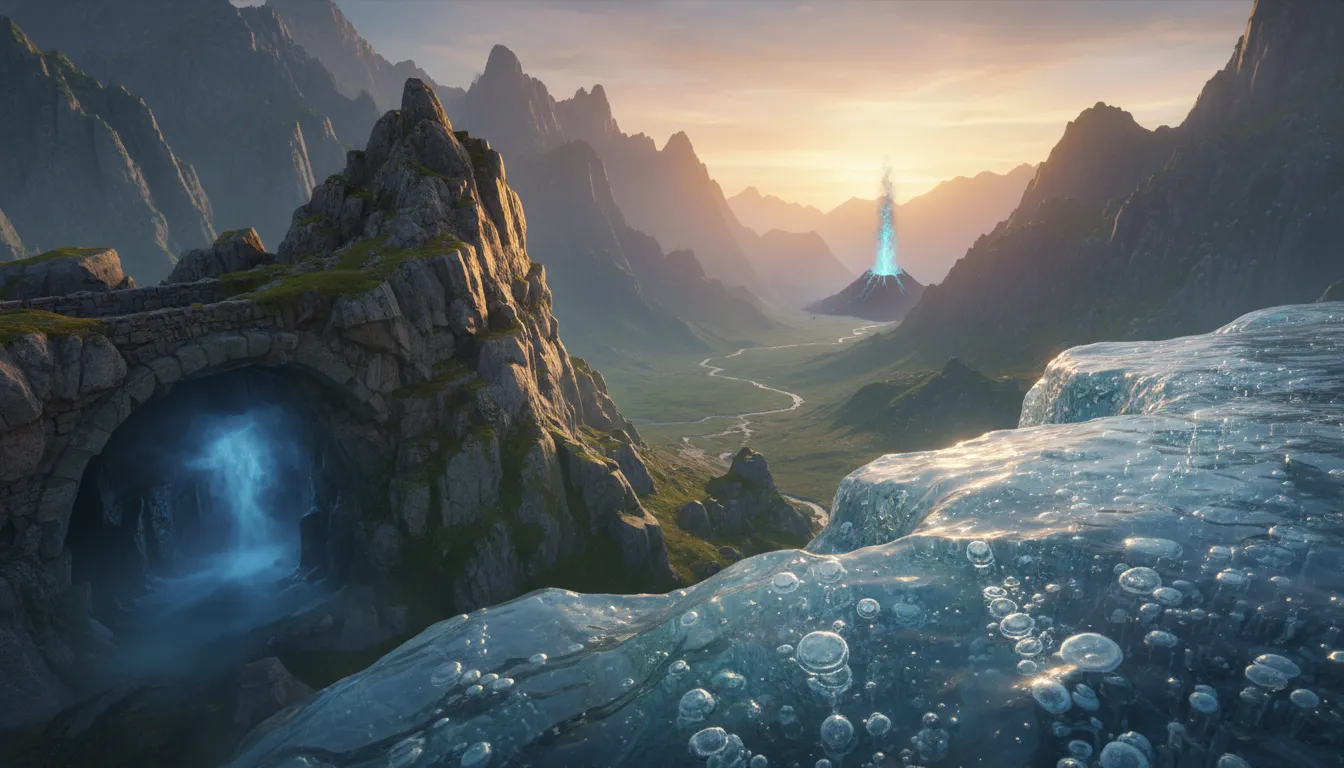
These are the kinds of destinations that make reality feel slightly unreal. A stone bridge in Switzerland seems to dive straight into a mountain. A Chinese valley feels like something out of a Taoist painting. In Ethiopia, the Earth opens into one of the hottest and strangest landscapes on the planet. In Indonesia, blue fire burns in the dark. In Canada, methane bubbles freeze inside crystal ice like suspended galaxies.
What makes these places unforgettable is not just beauty. It is the feeling that the world is still larger, wilder, and more mysterious than we often assume. From sacred monuments and ancient monasteries to glaciers, lava lakes, rainforests, and cliffs washed in sunset light, these unseen wonders remind us that discovery is still possible.
Table of Contents
- Places where nature feels mythical
- Engineering and architecture in impossible places
- Where the Earth shows its raw power
- Water in its most spectacular forms
- Ice worlds, cliffs, and the language of extremes
- Wildlife kingdoms and ancient life
- Islands, statues, and landscapes shaped by belief
- Why these hidden places matter
- Traveling these hidden wonders more thoughtfully
- FAQ
Places where nature feels mythical
Wangxian Valley, China
In southern China, Wangxian Valley carries the kind of atmosphere that seems to blur the line between landscape and legend. Its name is often understood as a place where one might see immortals, and that spirit runs through everything about it.
Tall mountains rise over deep forests. Waterfalls drop from dramatic heights. Streams wind through the valley all year long, bringing movement and sound to an already dreamlike setting. The entire place feels quiet in a way that modern life rarely allows.
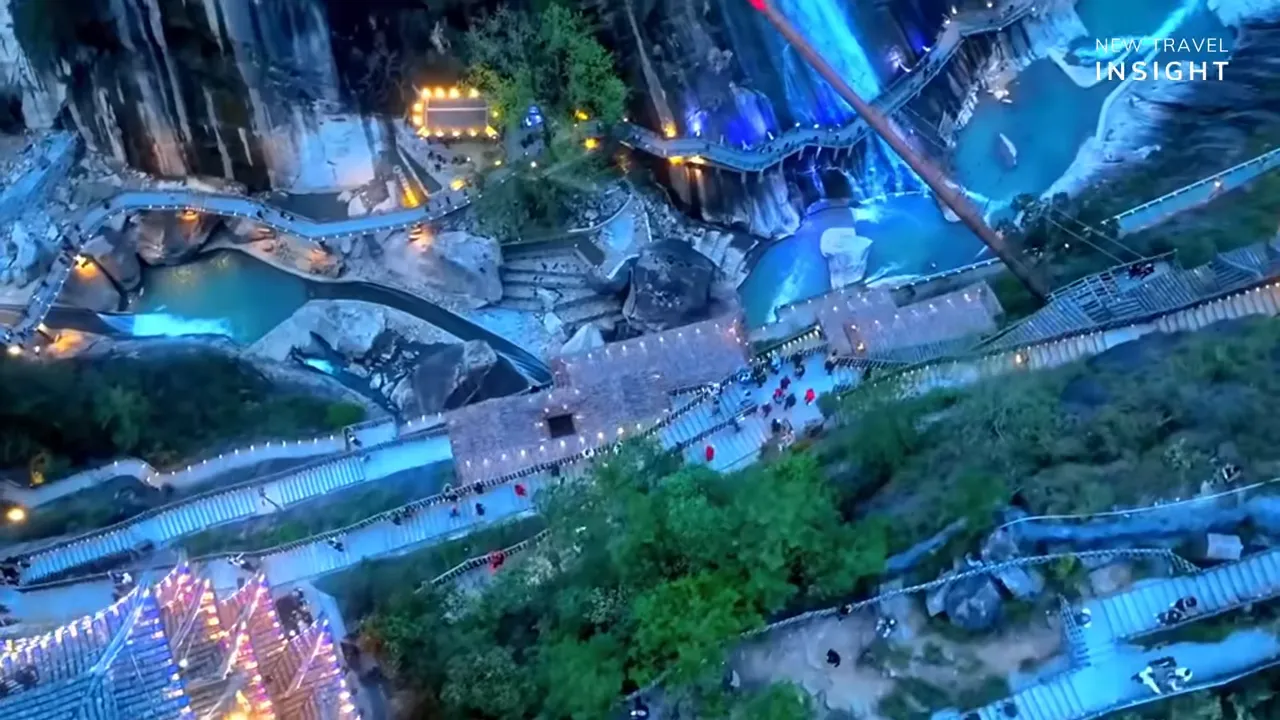
Wangxian Valley is also deeply tied to old Taoist traditions. It was once associated with scholars, sages, and poets seeking retreat from noise and ambition. That history matters, because this is not only a scenic destination. It is a landscape that invites reflection.
People come here to hike mountain trails, relax near the waterfalls, sit in the forest, and reconnect with slower rhythms. Tea, painting, meditation, and stillness feel natural here. In a fast world, Wangxian Valley offers something rare: the permission to slow down.
Zhangjiajie and Tianmen Mountain, China
If Wangxian Valley feels like a painting, Zhangjiajie feels like a fantasy world carved into stone. Its vertical pillars can reach around 1,300 feet, rising in dense clusters that seem almost impossible at first glance. Few landscapes on Earth feel this otherworldly.
Tianmen Mountain adds another layer of drama. Its cable car stretches for roughly four miles, carrying travelers through steep mountain scenery for nearly half an hour. Then there is the famous glass walkway, built along the cliffside high above the ground, where every step comes with a rush of adrenaline.
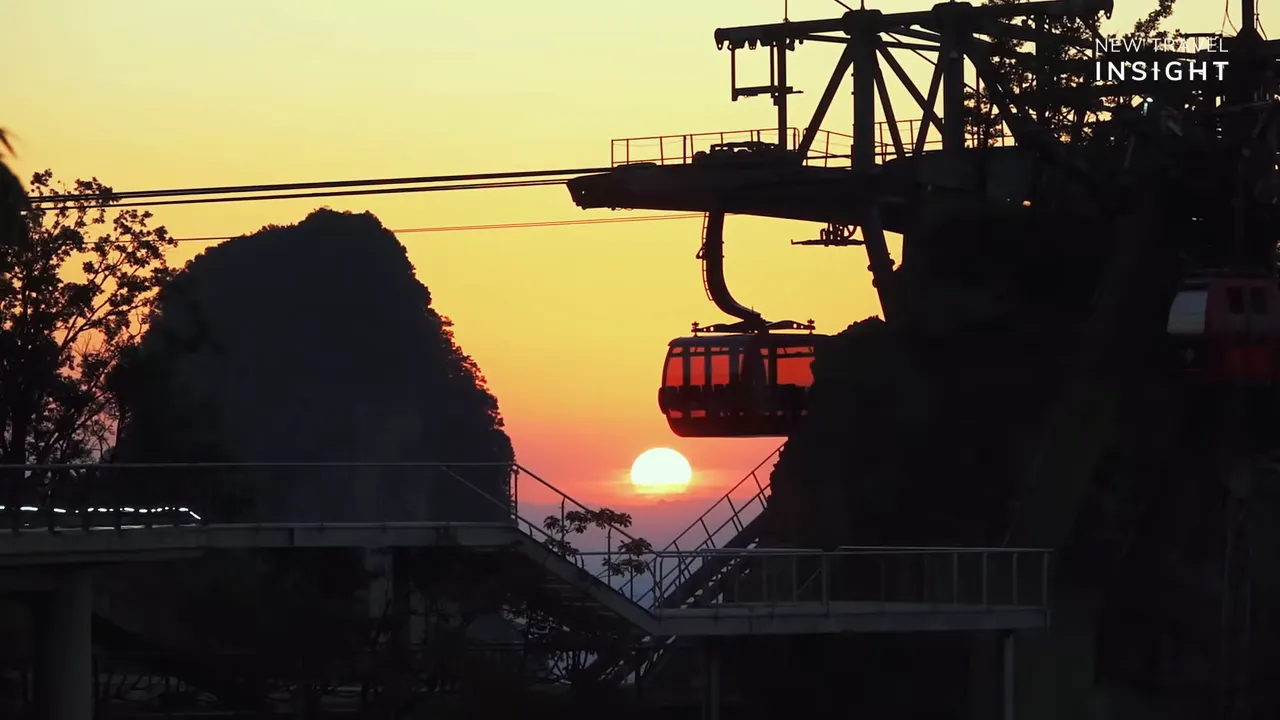
The natural arch known as Heaven’s Gate is perhaps the mountain’s defining feature. About 430 feet tall, it appears like a portal cut directly into the rock. Reaching it can involve a road with 99 sharp turns, a route that has become legendary in its own right.
This is the kind of place where geology, engineering, and spectacle all meet. It has even hosted jet planes flying through the arch, which says everything about the bold energy of the location.
Meteora, Greece
Meteora belongs to a category all its own. In central Greece, monasteries sit atop immense rock pillars that rise between roughly 1,000 and 1,800 feet high. Millions of years of erosion created the stone towers. Human devotion transformed them into one of the most remarkable spiritual landscapes in the world.
Beginning in the 14th century, Greek monks came here seeking isolation and safety from conflict. They built monasteries in places that seemed unreachable, using ropes, ladders, and extraordinary determination to haul materials upward.
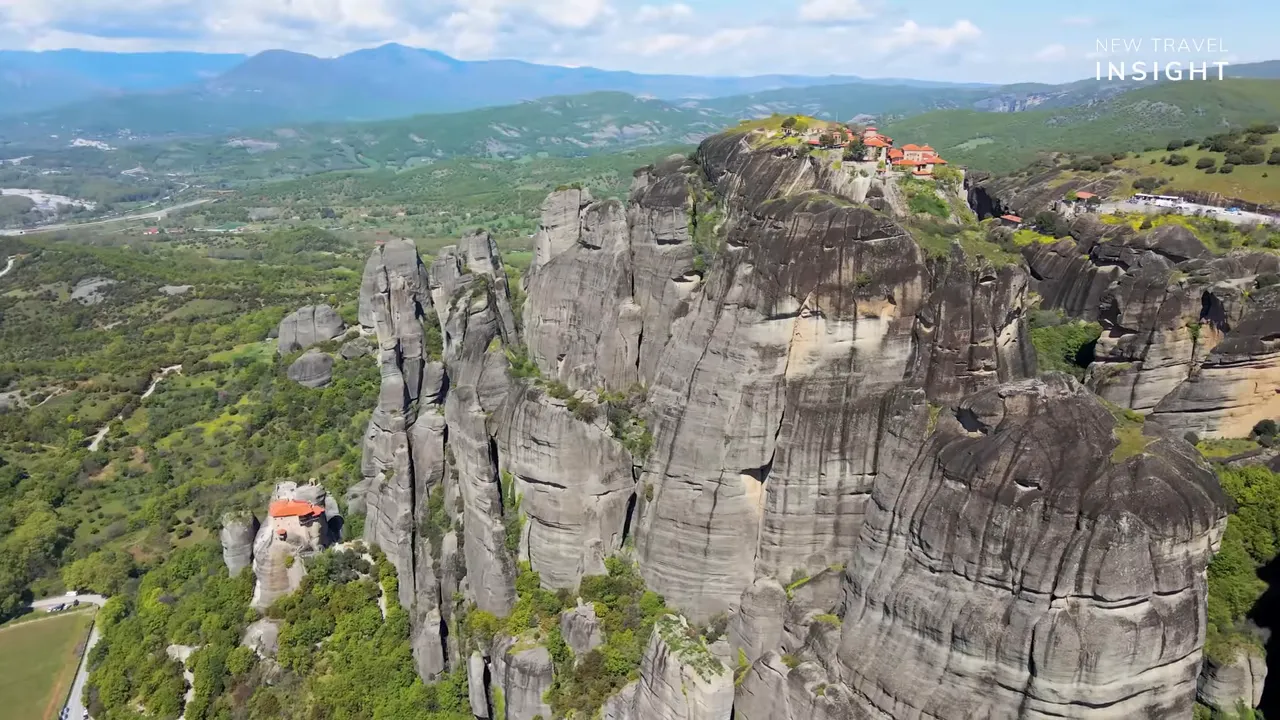
Six monasteries remain active today, and Meteora continues to hold profound importance for Greek Orthodox Christianity. It is also recognized by UNESCO for its cultural and historical value.
What makes Meteora so powerful is the union of natural grandeur and human purpose. The rocks alone would be astonishing. The monasteries turn the whole scene into something transcendent.
Engineering and architecture in impossible places
Landwasser Viaduct, Switzerland
Some wonders are not hidden because they are remote. They are hidden because they feel too cinematic to be real. The Landwasser Viaduct in Switzerland is one of those places.
This famous stone railway bridge stands about 200 feet high and roughly 450 feet long. Six graceful arches cross a deep valley, and what makes the structure truly unforgettable is its ending. The track leads directly into a tunnel cut into the mountain, as if the bridge simply vanishes into stone.
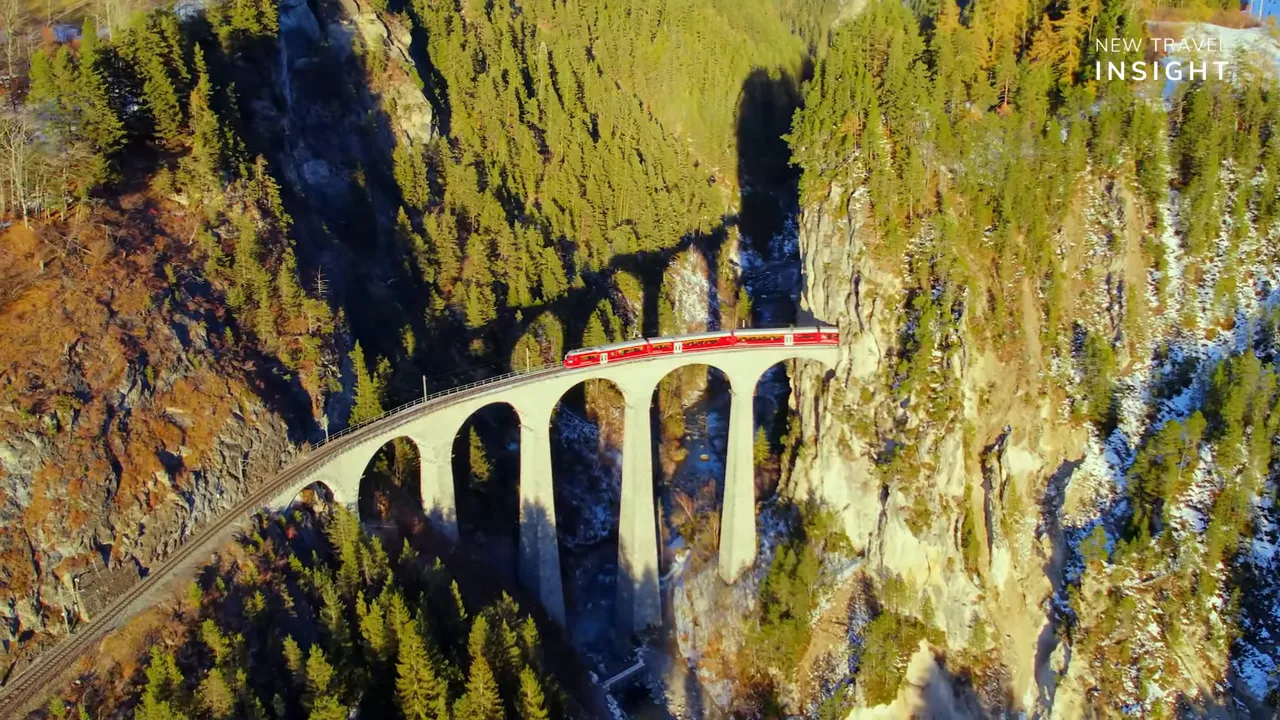
Built in the early 1900s entirely from stone, the viaduct is a reminder of what engineering could achieve long before modern materials dominated the landscape. It is also a symbol of harmony between human ambition and alpine wilderness.
Each season transforms the scene. Snow, greenery, mist, and changing light give the bridge a different personality throughout the year. Crossing it by train is one of those travel experiences that stays with you for a very long time.
Neuschwanstein Castle, Germany
High in Bavaria, surrounded by forested mountains, Neuschwanstein Castle looks less like a building and more like an idea made real. It was commissioned in the late 19th century by King Ludwig II of Bavaria and inspired by German mythology, romance, and idealized medieval imagery.
Although it was never fully completed, the castle became one of Germany’s most recognizable cultural symbols. Its architecture mixes history and fantasy so seamlessly that it has influenced generations of artists and helped define the modern visual language of fairy tales.
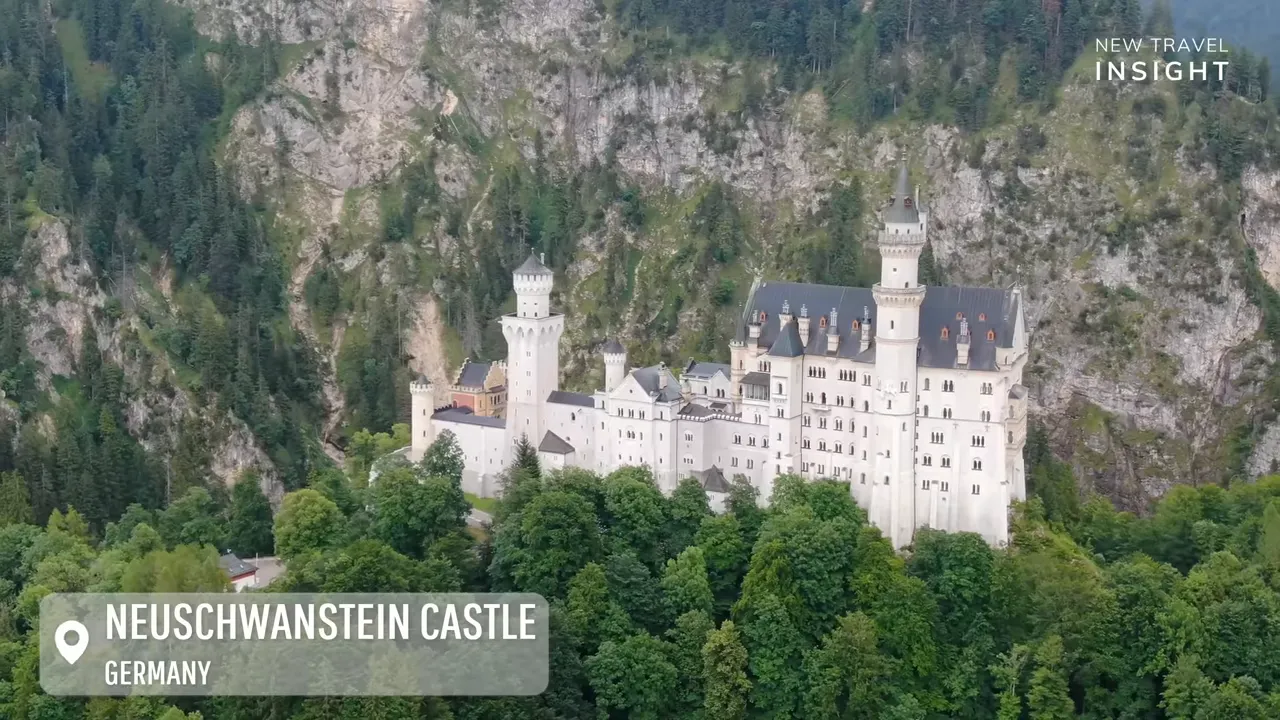
Guided tours reveal lavish interior rooms, while viewpoints around the castle open onto magnificent mountain scenery. The surrounding area also offers hiking, trekking, and winter sports, making Neuschwanstein more than a monument. It is an entire alpine experience shaped by myth.
The Pyramids of Giza, Egypt
Some places stay famous for thousands of years because nothing about them loses its force. The Pyramids of Giza are among the greatest wonders ever built, and even with all the photographs and history books in the world, the reality still feels staggering.
Constructed more than 4,500 years ago, the pyramids stand as enduring symbols of ancient Egyptian civilization. The Great Pyramid of Khufu, the largest of the three, once rose to around 480 feet and was built from millions of limestone blocks.
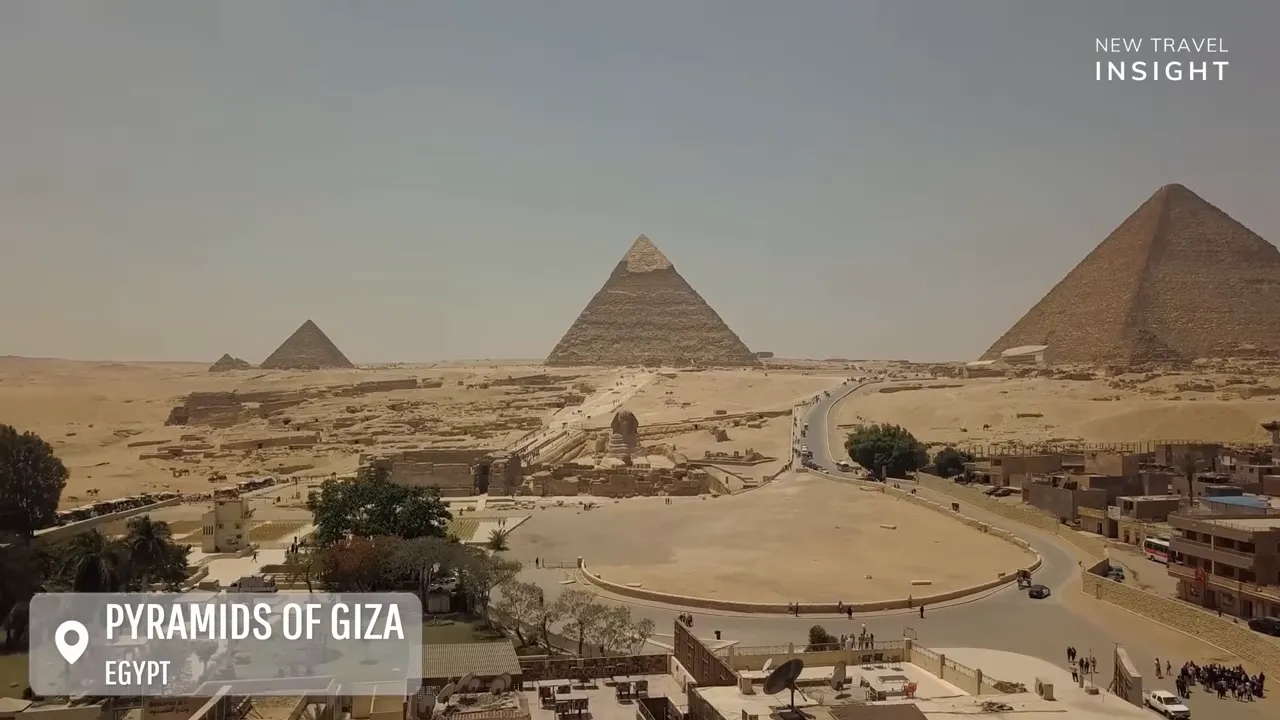
These were not simply monumental tombs. They reflected a whole worldview, including powerful beliefs about kingship, eternity, and the afterlife. Set on the Giza Plateau against a wide desert backdrop, they remain majestic by day and deeply mysterious under moonlight.
For historical context and preservation efforts, the UNESCO listing for Memphis and its Necropolis is worth exploring.
Where the Earth shows its raw power
Phong Nha-Ke Bang, Vietnam
Vietnam’s Phong Nha-Ke Bang National Park is one of the planet’s great cave landscapes. Recognized by UNESCO in 2003, it contains hundreds of caves and a vast underworld shaped by water, limestone, and deep time.
Its most famous giant is Son Doong Cave, one of the largest caves on Earth, stretching up to around 5.5 miles. The scale here is hard to overstate. Rivers flow underground through the cave systems, carving chambers and passages that feel almost prehistoric.
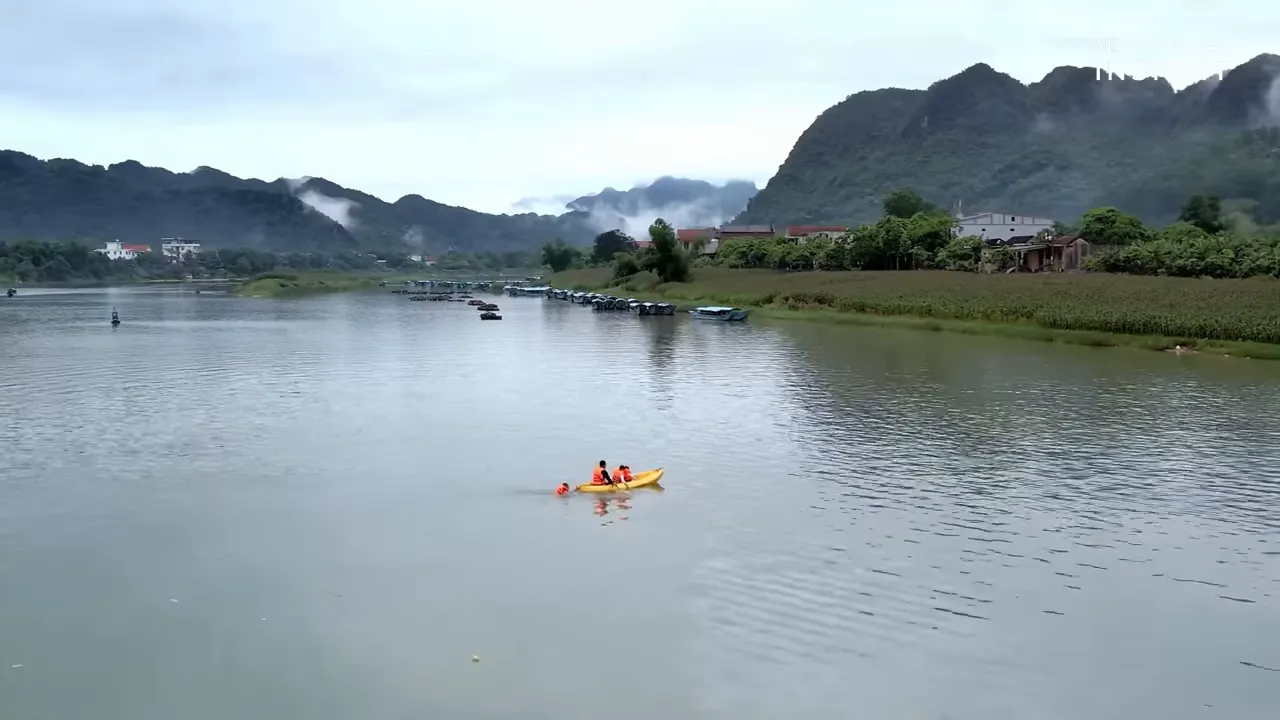
Other caves in the area add to the sense of mystery, and the region changes character with the seasons, shifting from lush rain-fed greenery to drier, more austere conditions. Phong Nha-Ke Bang is one of those rare places that makes you think less about sightseeing and more about the age and hidden complexity of the Earth itself.
Danakil Depression and Erta Ale, Ethiopia
There are landscapes that feel beautiful, and then there are landscapes that feel elemental. Ethiopia’s Danakil Depression belongs firmly to the second category.
This region lies about 410 feet below sea level in an active rift zone where tectonic plates are pulling apart. It is one of the hottest places on Earth, with summer temperatures reaching around 134 degrees Fahrenheit. Salt lakes glow in bright colors. Hot springs steam. Volcanic formations twist the land into shapes that seem almost alien.
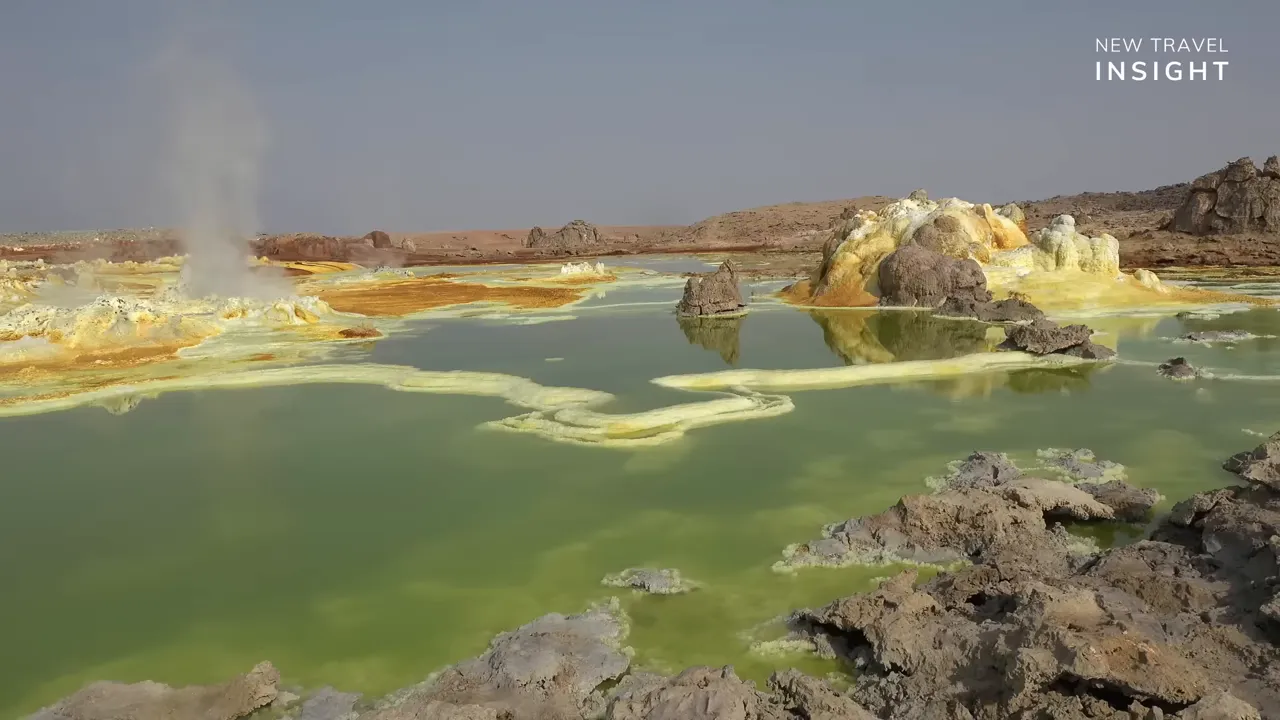
Conditions here are extremely harsh. The climate is dry, and some areas contain toxic gases. Yet life persists, including uniquely adapted animals and human communities that have lived with these extremes for generations.
Within the Danakil lies Erta Ale, one of the world’s most active volcanoes. It is especially famous for its lava lake, a rare feature that makes it a magnet for geologists, adventurers, and anyone fascinated by the living interior of the planet.
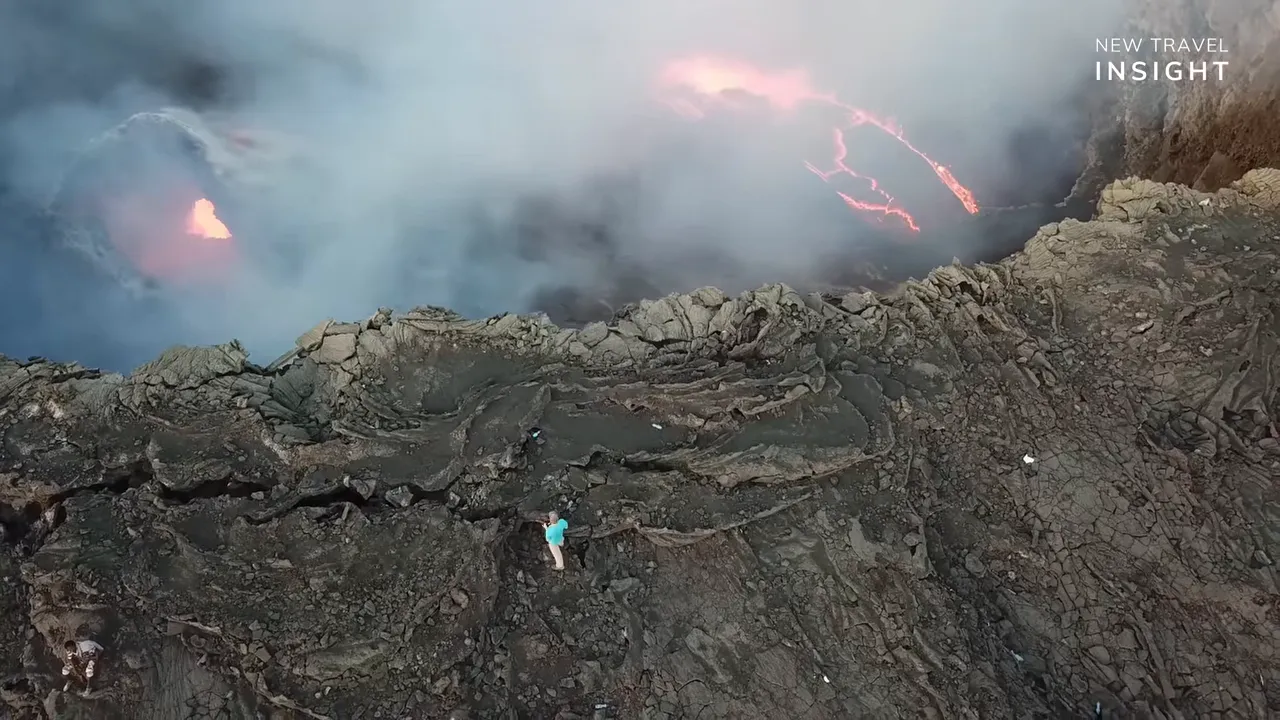
Travel here is demanding. The heat is punishing, the terrain severe, and camping conditions far from comfortable. But Erta Ale is not just a geological marvel. It also holds cultural importance for the Afar people, whose relationship with this landscape adds human meaning to an already extraordinary place.
Kawah Ijen, Indonesia
On the island of Java, Kawah Ijen presents one of the strangest volcanic spectacles anywhere in the world. By day, the crater contains a striking green acid lake colored by dissolved minerals. By night, the mountain reveals the phenomenon that made it famous: blue fire.
This eerie glow appears when sulfuric gases ignite, creating bright electric-blue flames in the darkness. It is one of those sights that seems invented until you stand close enough to believe it.
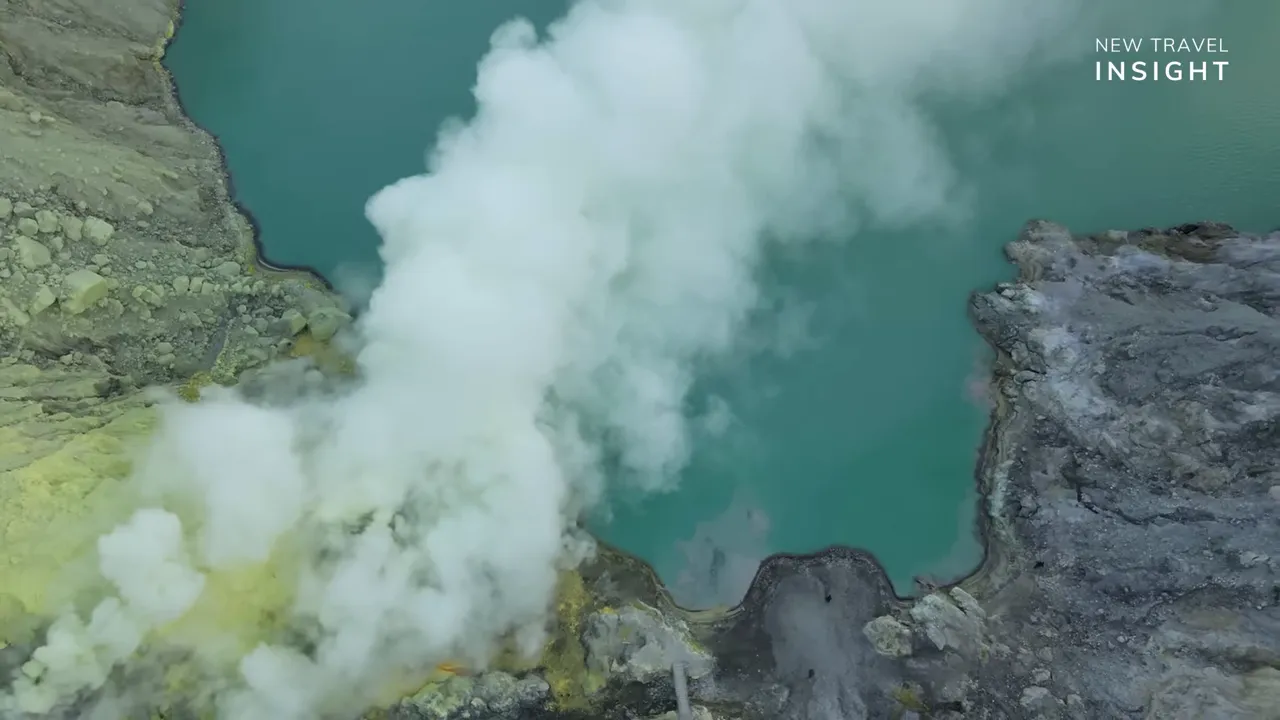
At roughly 9,000 feet in elevation, Kawah Ijen remains an active volcano and also serves as a sulfur mining site. Local workers have labored here for centuries in difficult, hazardous conditions, carrying sulfur from the crater. That human story is inseparable from the beauty of the place.
Trekking to the crater and timing the climb for night conditions has made Kawah Ijen one of Indonesia’s most compelling destinations, not only for its natural drama but for the layered reality of life around it.
Barringer Meteor Crater, Arizona, USA
In Arizona, a single impact changed the land forever. Barringer Meteor Crater is one of the best-preserved meteorite impact sites in the world, a stark circular reminder that Earth is part of a much larger cosmic story.
The crater is about 0.744 miles wide and roughly 570 feet deep, formed by an iron meteorite that struck the area thousands of years ago. Surrounded by dry and barren terrain, it feels exposed, clean, and monumental.
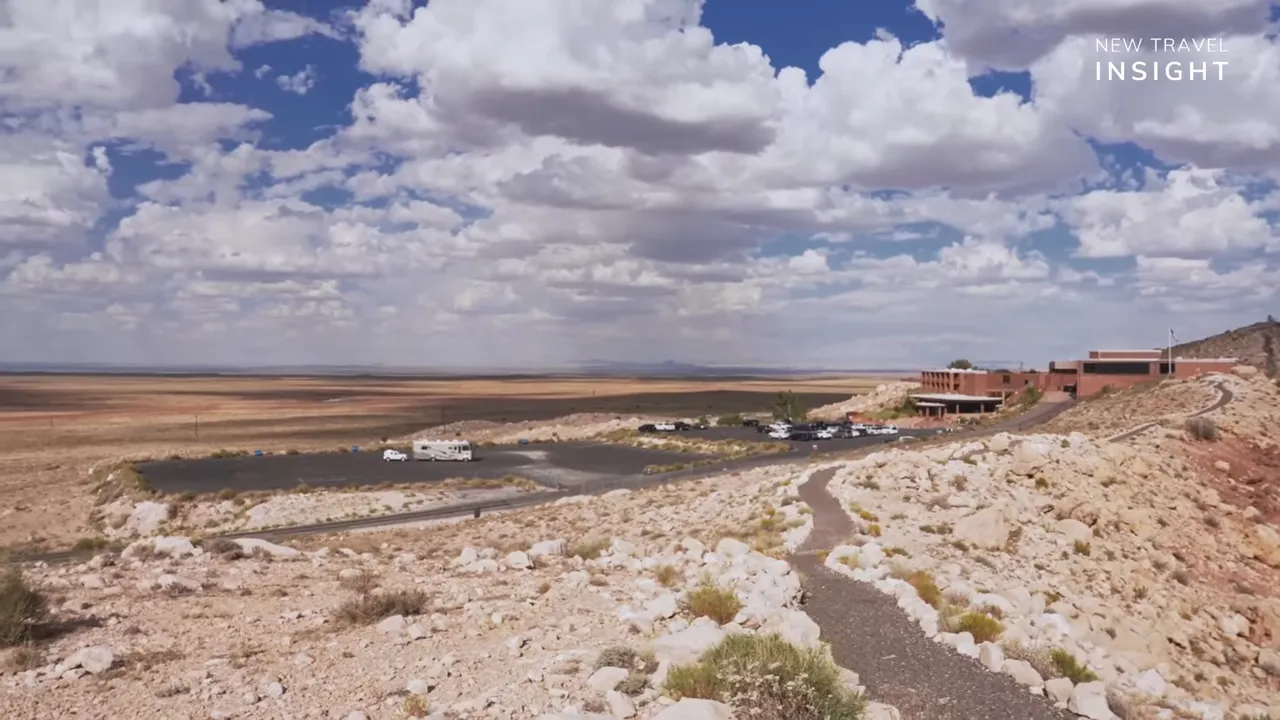
Scientists study the crater to understand impact events and their effects on Earth. For travelers, it offers something equally powerful: perspective. The crater is a visible scar left by forces from beyond our planet, and standing near it makes the universe feel a little closer.
Water in its most spectacular forms
Banff National Park and Abraham Lake, Canada
Banff National Park, set in the Canadian Rockies, is Canada’s oldest national park, established in 1885. It is a landscape of high mountains, clear lakes, waterfalls, wildlife, and outdoor freedom. Bears, elk, and wolves still roam here, and millions are drawn each year by hiking, skiing, and camping.
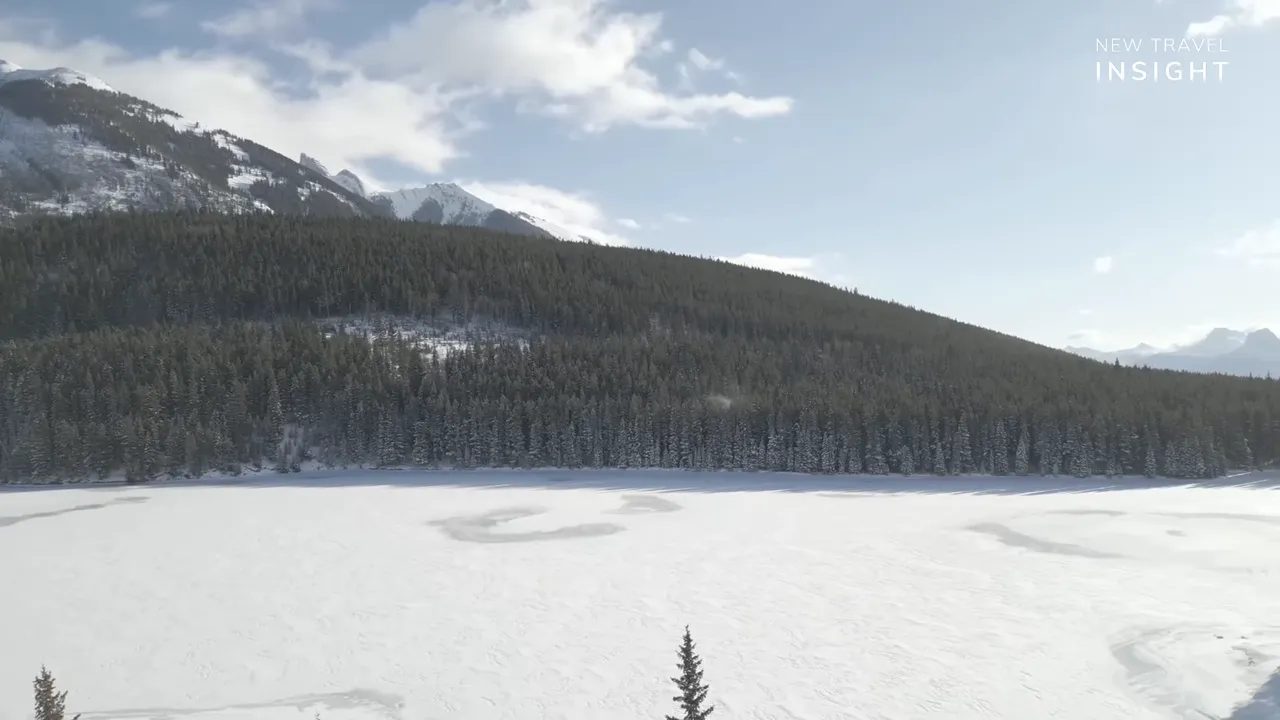
Banff is also important as a protected reserve, helping conserve ecosystems while supporting a long-standing culture of nature travel. Historic landmarks such as the Fairmont Banff Springs Hotel add architectural character to the wild scenery.
Nearby, Abraham Lake offers one of winter’s strangest visual wonders. Though it is man-made, created in 1972 after a dam project, it has become famous for the frozen methane bubbles trapped inside its clear ice.
These bubbles form when plant matter decomposes at the bottom of the lake and releases methane gas. As the water freezes, the gas becomes suspended at different layers, creating white stacked discs beneath the surface.
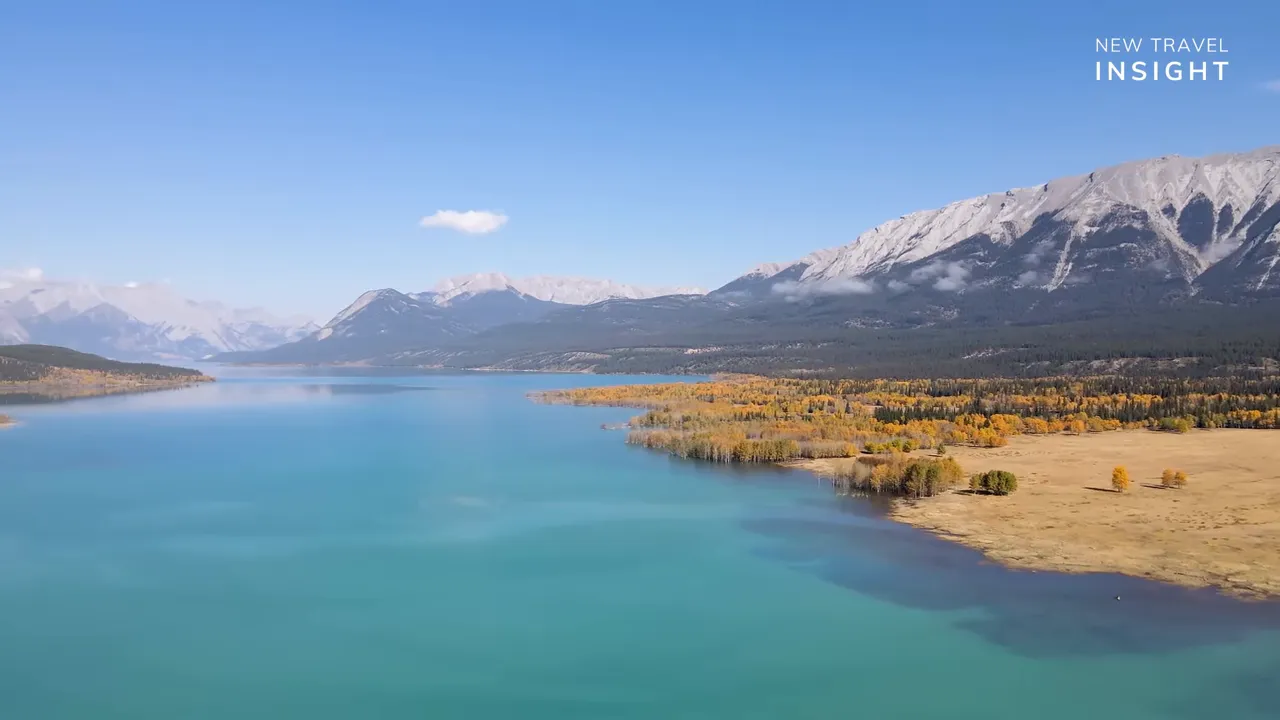
In summer, the lake is blue and calm. In winter, it becomes an icy gallery of natural patterns. Abraham Lake is a powerful reminder that human-made landscapes can still develop their own surprising beauty and ecological significance.
Angel Falls, Venezuela
Angel Falls is the highest waterfall in the world, plunging about 3,212 feet through a remote wilderness in Venezuela. It is not just tall. It is immense in a way that changes the scale of everything around it.
Water spills from the top of a steep cliff and falls so far that much of it turns into mist before reaching the ground. White streams and spray drift through the air, giving the falls a near-weightless quality despite their enormous power.
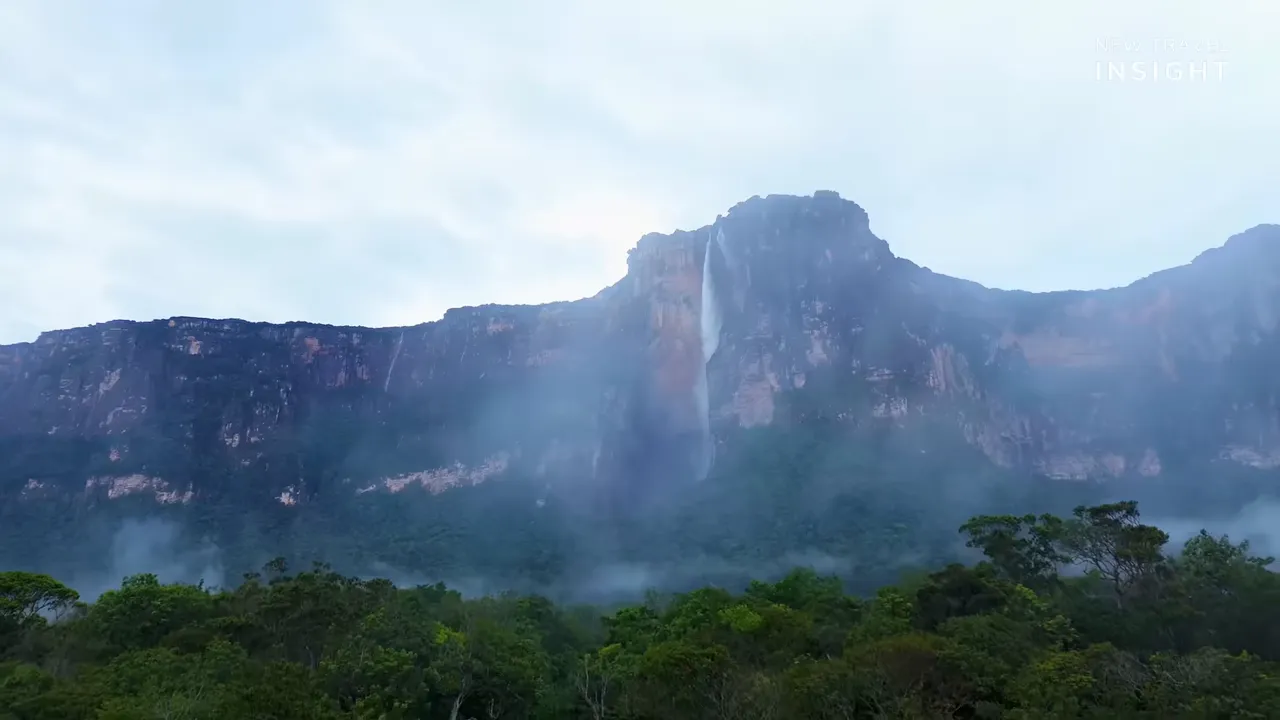
The falls became internationally known after pilot Jimmy Angel in 1933, though local communities had long known of their existence. The surrounding landscape, with mountains, tropical forest, and deep valleys, only intensifies the sense of grandeur.
Angel Falls is not only visually overwhelming. It also matters ecologically, as part of a region important for preservation and scientific study.
Godafoss and Niagara Falls
Some waterfalls astonish through height. Others command attention through force, shape, or story. Godafoss in Iceland and Niagara Falls on the border of Canada and the United States are very different, but each earns its place among the world’s unforgettable waterscapes.
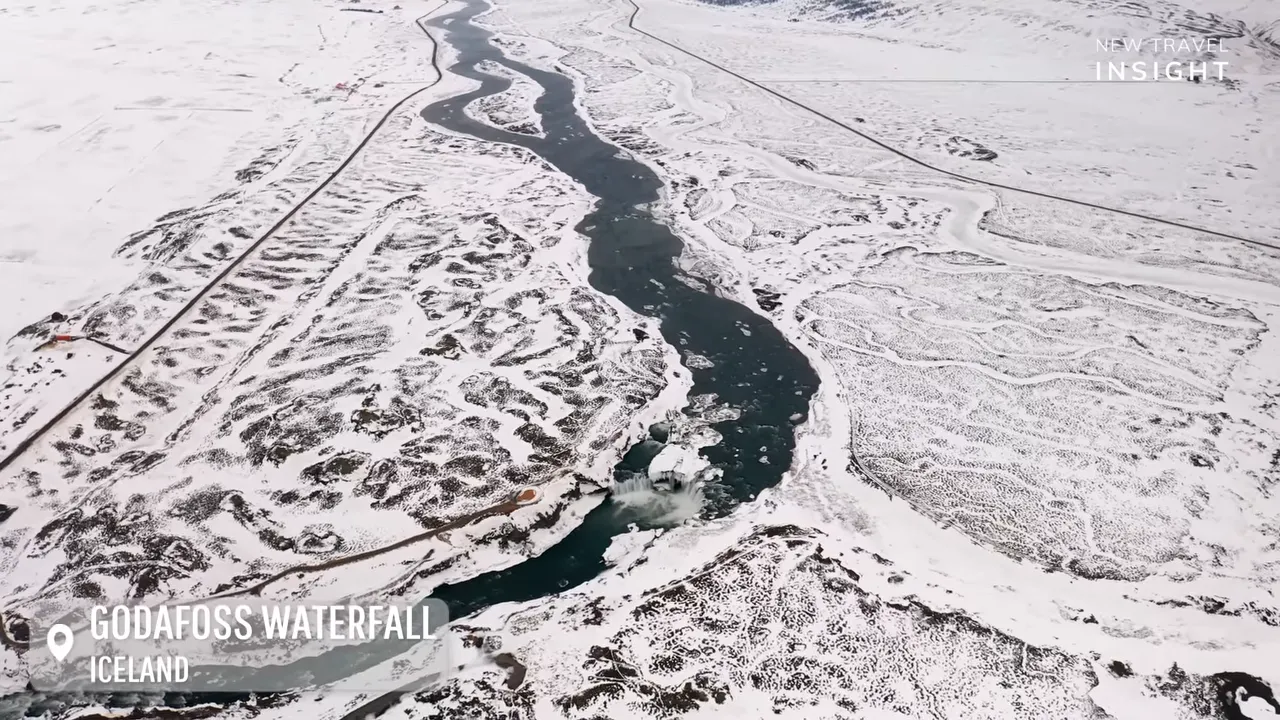
Godafoss, the Waterfall of the Gods, is around 100 feet wide and 40 feet high. Its flow creates a broad, misty curtain that becomes especially magical in snow and ice. It is also deeply connected to Icelandic history, associated with the country’s transition to Christianity when statues of Norse gods were reportedly thrown into the falls.
Niagara Falls was formed about 12,000 years ago after the Ice Age. While its height is about 167 feet, its true impact comes from volume. With an immense average flow, the falls generate thunder, mist, rainbows on sunny days, and a frozen dreamscape in winter.
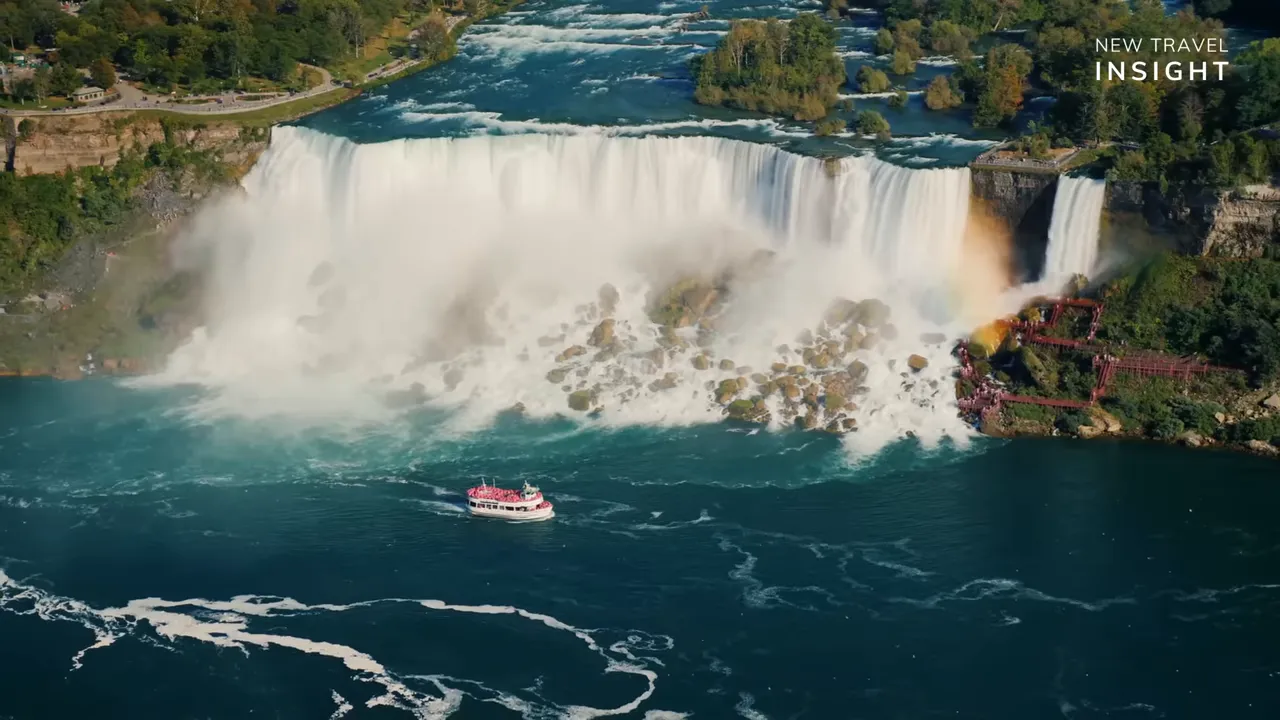
Safe viewing areas make it possible to approach the force of the falls without diminishing the raw natural experience. Niagara remains one of the clearest examples of water as spectacle.
Ice worlds, cliffs, and the language of extremes
Vatnajokull and Los Glaciares
Iceland’s Vatnajokull is one of the largest and most impressive glaciers in Europe, covering about 8 percent of the country. It stretches across thousands of square miles and even hides active volcanoes beneath the ice.
Its cracked surfaces, ice valleys, and large cave systems make it one of the most fascinating glacier landscapes anywhere. In winter, it becomes a center for ice exploration, with opportunities to cross frozen terrain and visit caves shaped by flowing meltwater.
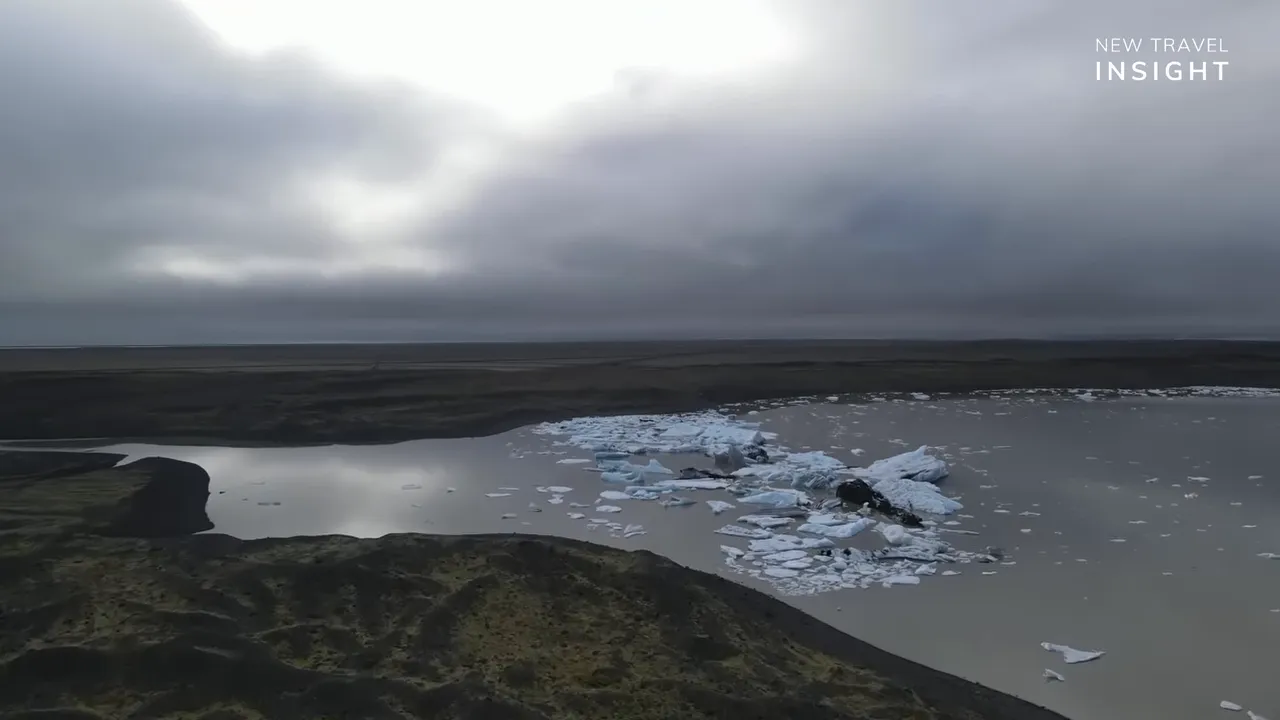
Vatnajokull also plays an important role in supplying fresh water and in climate research, which is one reason it has been recognized by UNESCO.
Far to the south in Argentina’s Patagonia region, Los Glaciares National Park offers another monumental ice landscape. Established in 1937 and recognized as a World Heritage site, it combines Andean peaks, clear lakes, and enormous glaciers including Perito Moreno.
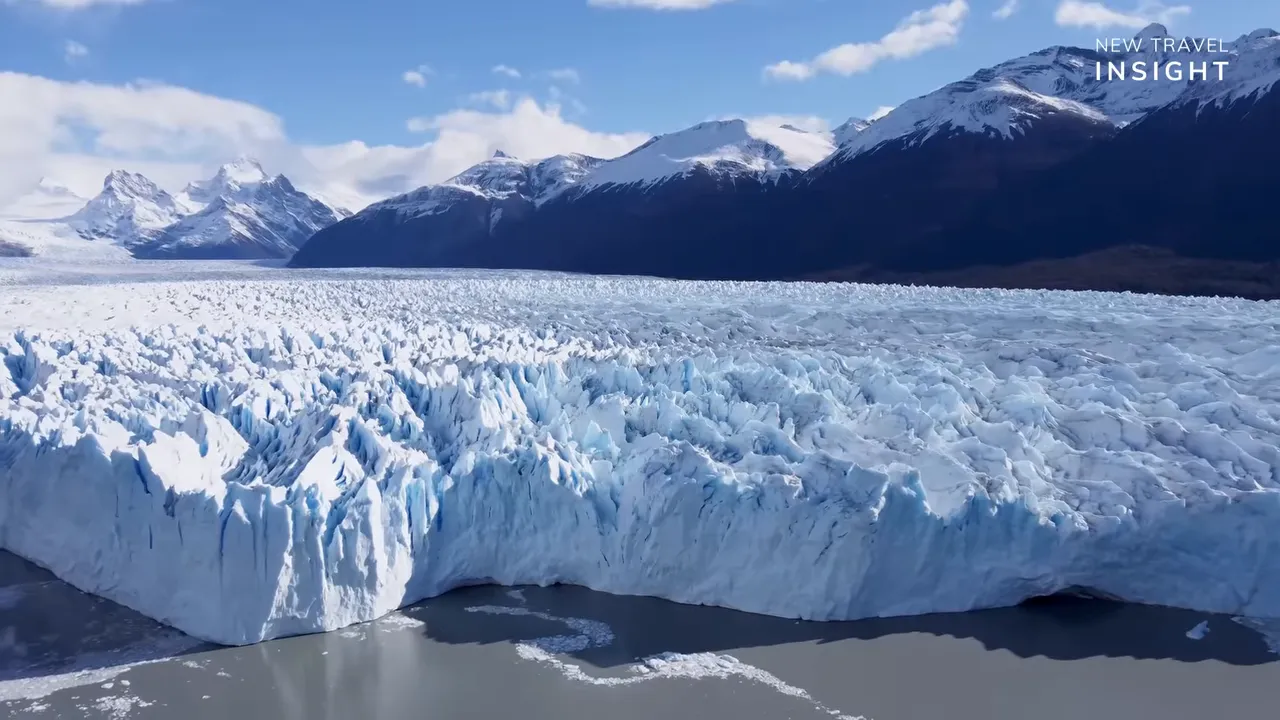
The climate here is cold and dry, and the park has become important not only for travel but for research into climate change and glacier dynamics. Sustainable tourism plays a crucial role in protecting this fragile environment while supporting local communities.
Mount Fuji, Japan
Mount Fuji rises above Japan with a near-perfect form that has made it one of the world’s most iconic mountains. At 12,389 feet, it is the tallest peak in the country and far more than a geographic landmark. It is a cultural symbol woven into art, spirituality, and national identity.
UNESCO recognized Mount Fuji as a World Heritage site in 2013 for its cultural significance and unique landscape. During summer, hiking trails open to the summit, where reaching the top becomes both a physical challenge and a deeply memorable experience.
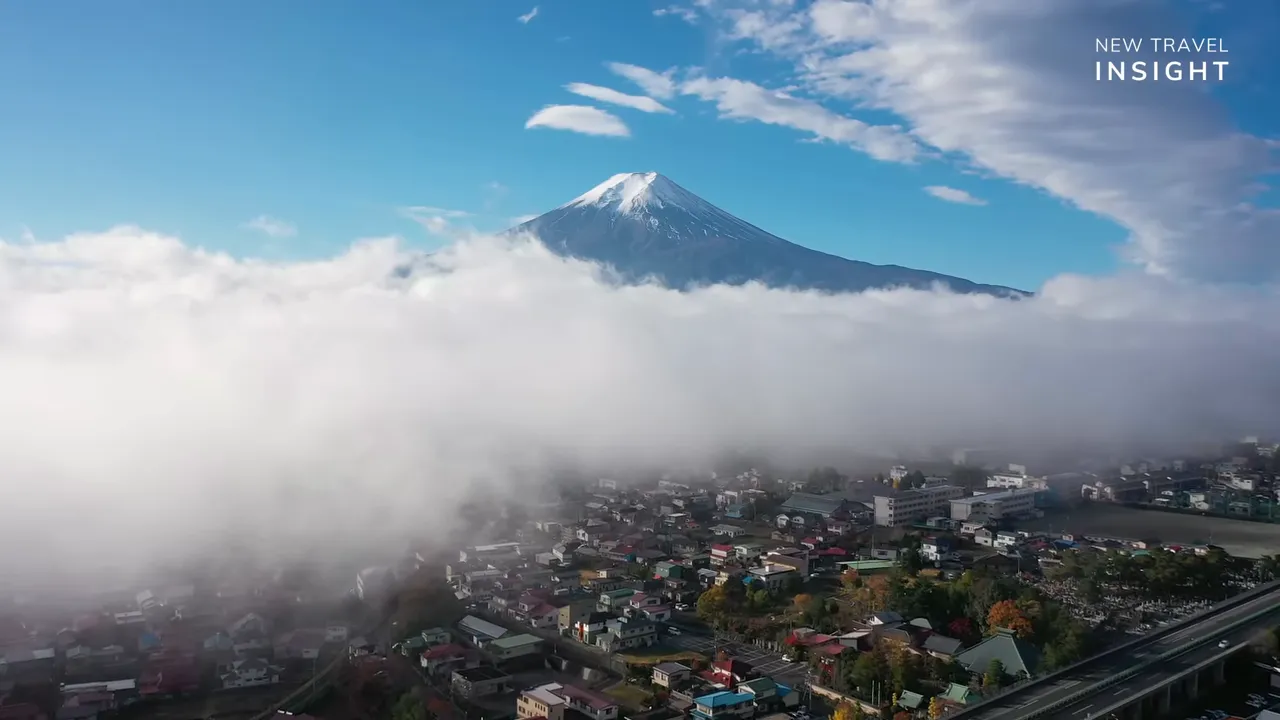
One of the great rewards is sunrise from the summit. The surrounding Fuji Five Lakes add even more beauty, offering calm water, boating, fishing, and wide views of the mountain. From above, the summit panorama can stretch toward city and sea, reminding you how completely Fuji presides over the landscape.
Wildlife kingdoms and ancient life
The Serengeti, Tanzania
The Serengeti National Park in northern Tanzania is one of the world’s great wildlife reserves. Here, the scale of life is as astonishing as the scale of the land itself.
Lions, leopards, and cheetahs share the plains with zebras, antelopes, and hippopotamuses. The annual wildebeest migration remains one of the most extraordinary natural phenomena on Earth, a sweeping movement of animals that expresses the rhythm and survival logic of the ecosystem.
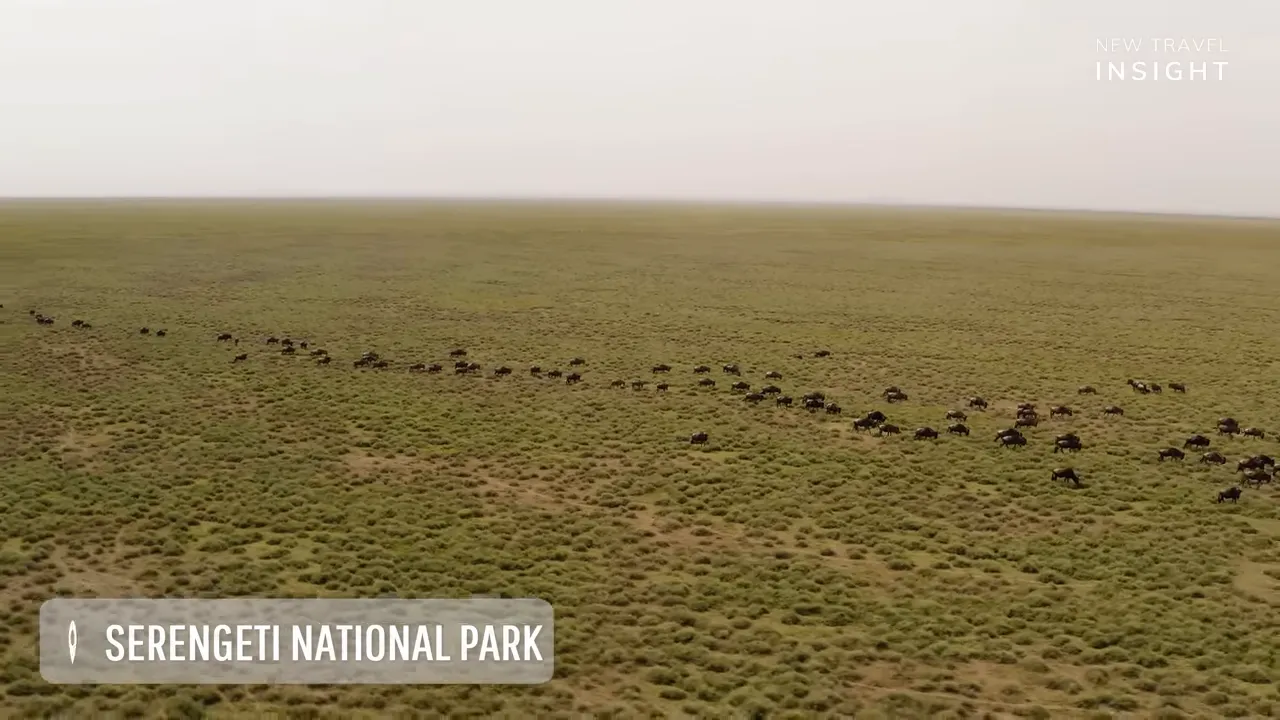
The Serengeti also carries strong cultural value, especially for the Maasai community. That human presence matters. Landscapes do not become meaningful only because they are biologically rich. They also matter because of the relationships people have built with them over generations.
The Amazon Rainforest
The Amazon is the largest tropical rainforest on Earth, covering roughly 40 percent of the world’s tropical forest area. It is one of the greatest living systems on the planet.
More than 10 percent of Earth’s plant and animal species live here, and thousands of species remain undiscovered. The forest also contains more than 390 billion trees, forming an astonishingly dense and diverse habitat.
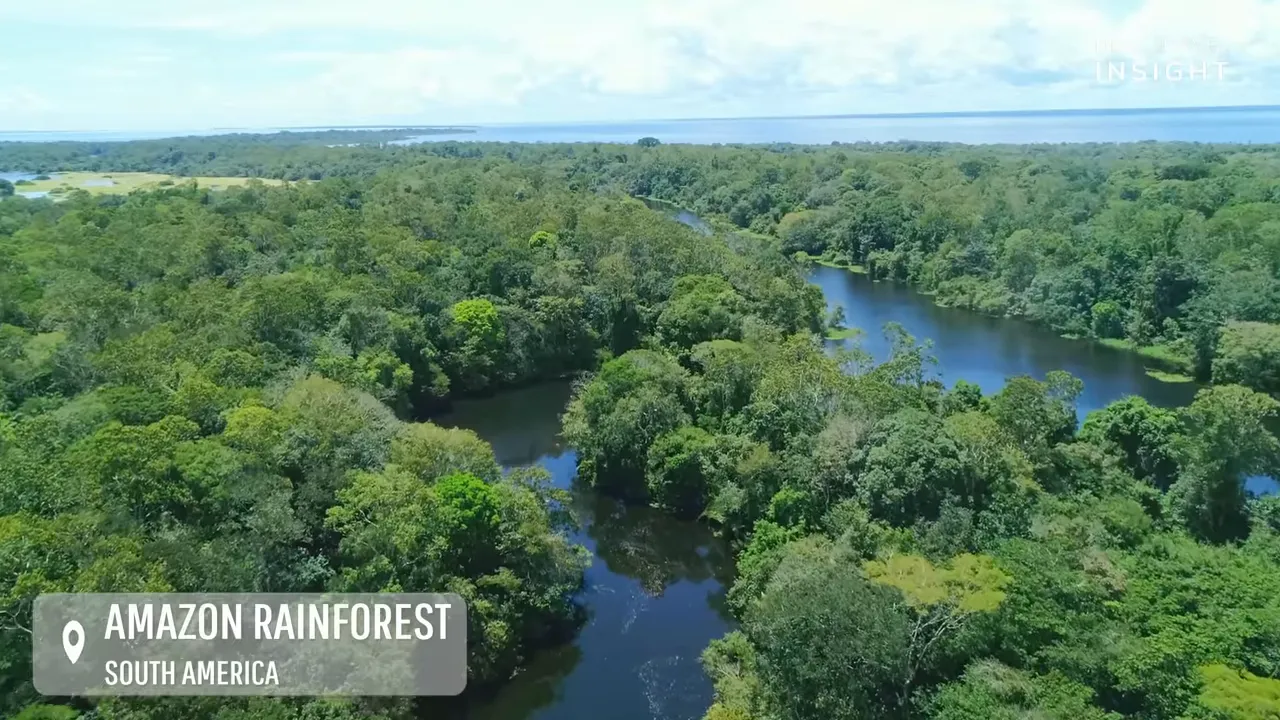
The Amazon River, flowing through the forest, carries the largest volume of water of any river in the world. Rainfall is intense, the climate is humid, and the entire system plays a critical role in regulating carbon and influencing global water cycles.
The Amazon is often called the lungs of the Earth. While that phrase is symbolic, it captures an essential truth: what happens in the Amazon matters far beyond the Amazon. For anyone interested in conservation and biodiversity, resources from the World Wildlife Fund provide useful background.
Baobab trees, Madagascar
Not all wonders are mountains or monuments. Sometimes a single tree can feel just as extraordinary. In Madagascar, the baobab is one of the most distinctive natural symbols anywhere in the world.
With its thick trunk and branches that resemble roots growing upward, the tree looks almost upside down. Some baobabs are believed to live for thousands of years, and their ability to store water inside massive trunks helps them survive dry environments.
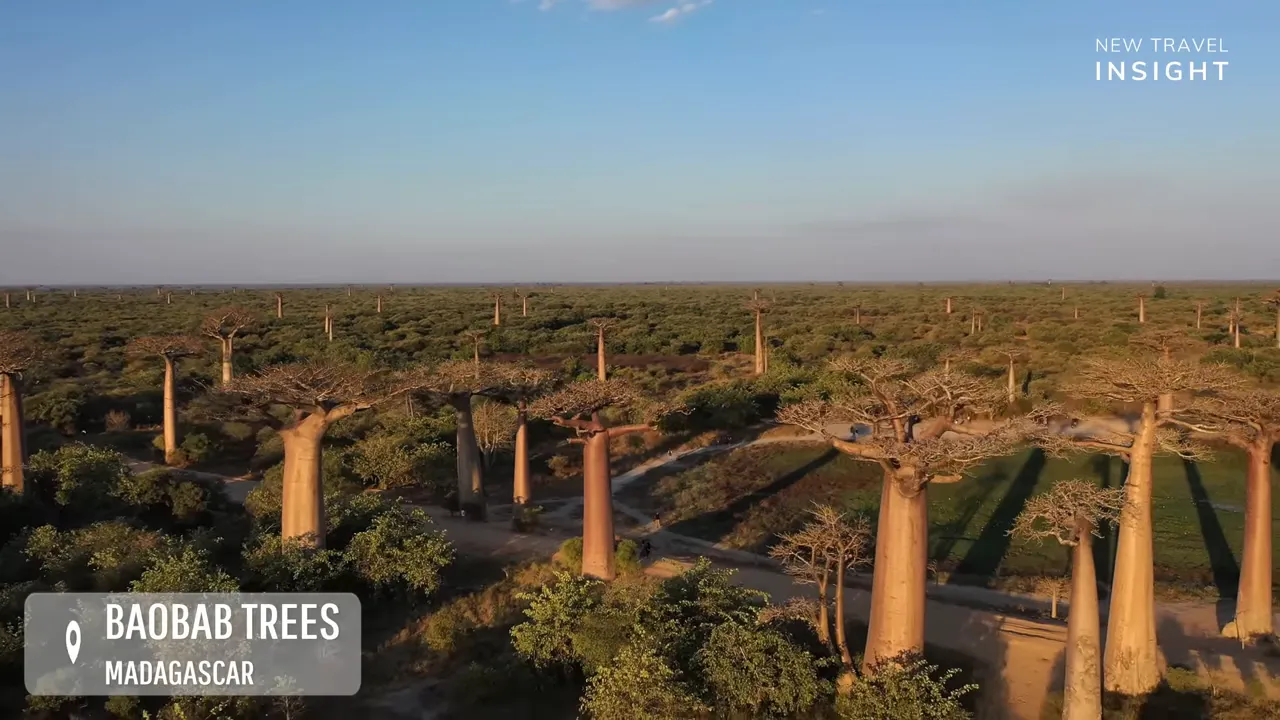
Their large white flowers bloom in winter, lightly fragrant and fleeting, often lasting only a day. Beyond their unusual beauty, baobabs support local ecosystems by providing shelter for animals and insects. Along dusty roads and open dry land, they create some of the most striking silhouettes on the planet.
Islands, statues, and landscapes shaped by belief
Leshan Giant Buddha, China
Carved directly into a cliff in Sichuan Province, the Leshan Giant Buddha is the largest stone Buddha statue in the world. It stands around 233 feet tall, with immense shoulders and elongated ears, facing the meeting point of three rivers.
Work on the statue began in 713 during the Tang Dynasty and took about 90 years to complete. It was created in part to calm dangerous waters and bring safety to passing boats.
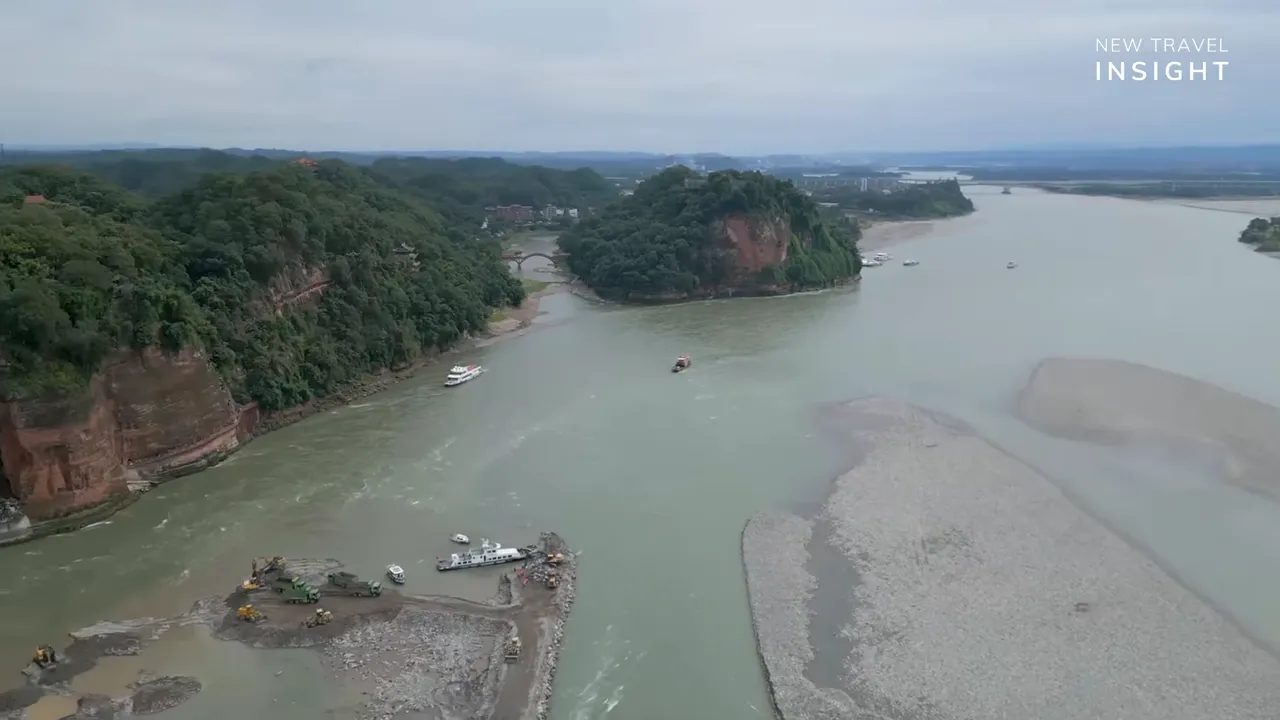
Walking around the statue reveals the scale of its craftsmanship, while a boat ride offers the most complete perspective from the water. More than a monument, Leshan remains a reminder of compassion, peace, and the responsibility to preserve cultural heritage.
Santorini, Greece
Santorini is one of those rare destinations that feels instantly recognizable yet still genuinely breathtaking. White houses and blue domes cling to cliffs above a blue caldera, creating one of the most iconic island skylines in the world.
The island was shaped by volcanic activity thousands of years ago. Its dramatic form, with a water-filled crater ringed by high cliffs, gives the architecture a naturally theatrical stage.
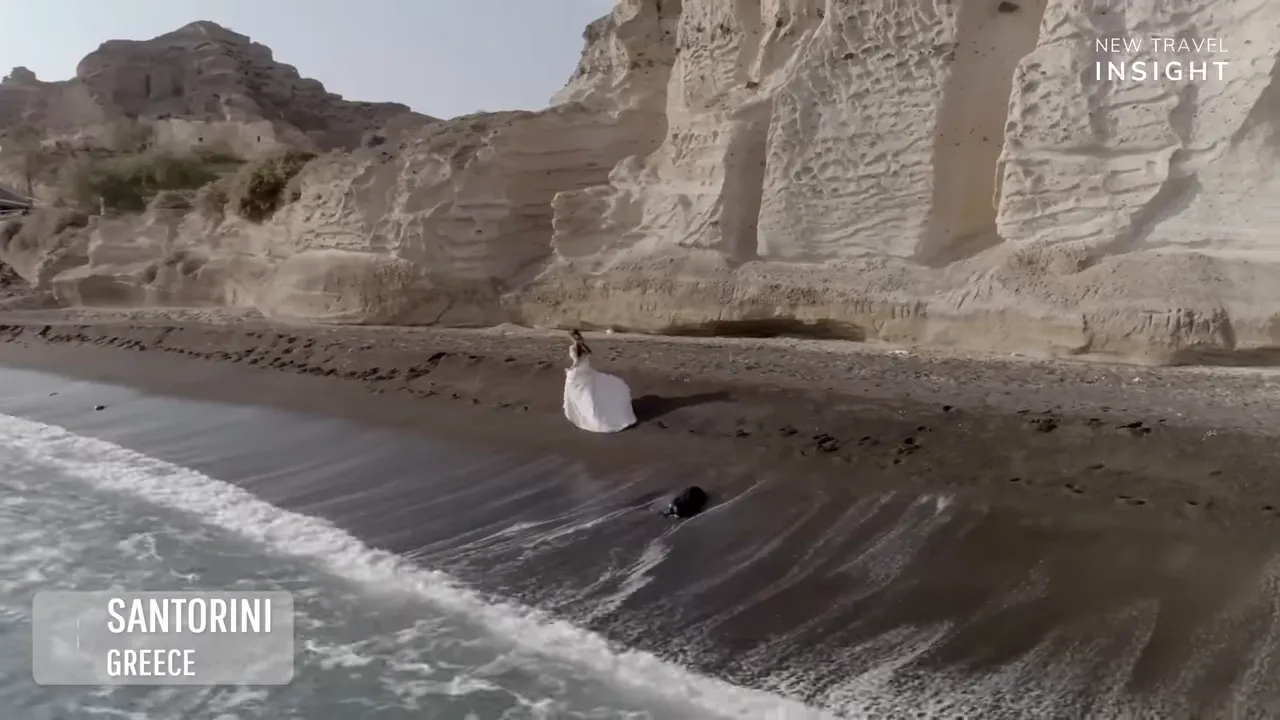
Curved roofs, white walls, and narrow stone paths trace the slopes. Clear sea, steep cliffs, and famous sunsets wash the island in orange and red. Black and red sand beaches, formed by volcanic materials, add even more texture to the landscape.
Santorini has become a symbol of culture, luxury, and increasingly the challenge of sustainable tourism. Its beauty is obvious. Protecting that beauty is the harder and more important task.
Why these hidden places matter
What connects a lava lake in Ethiopia, a glacier in Iceland, a castle in Bavaria, and an ancient statue in China? At first, not much. But look more closely, and a pattern appears.
- They stretch the imagination. Many of these places look impossible until you stand before them.
- They preserve memory. Monasteries, pyramids, castles, and sacred statues carry centuries of belief and craftsmanship.
- They reveal Earth’s power. Volcanoes, caves, glaciers, waterfalls, and impact craters are reminders that the planet is active, dynamic, and never finished.
- They deepen respect. Harsh landscapes such as Danakil or Kawah Ijen also tell human stories of endurance and adaptation.
- They call for protection. Many of these destinations are ecologically or culturally fragile, and their survival depends on responsible tourism and long-term conservation.
That may be the real lesson of unseen wonders. They are not just beautiful places to collect on a list. They are living archives of geology, history, culture, and resilience.
Traveling these hidden wonders more thoughtfully
If places like these stir your curiosity, they also deserve your care. Many of them are difficult environments, sacred sites, protected ecosystems, or communities balancing tourism with preservation.
- Respect local customs and cultural rules, especially at monasteries, temples, and heritage sites.
- Stay on marked paths in fragile areas such as glaciers, cliffs, volcanic craters, and cave systems.
- Choose operators that support conservation and local communities.
- Do not remove natural materials or disturb wildlife.
- Learn some of the history before arriving. The experience becomes richer when the place has context.
The most rewarding travel is not only about reaching a remarkable location. It is about understanding what makes it remarkable and why it must endure.
FAQ
What are some of the most unusual hidden natural wonders featured here?
Some of the most unusual include Ethiopia’s Danakil Depression, the lava lake at Erta Ale, Indonesia’s blue fire at Kawah Ijen, the giant cave systems of Phong Nha-Ke Bang, and the frozen methane bubbles of Abraham Lake in Canada.
Which places combine natural beauty with strong cultural or spiritual meaning?
Meteora in Greece, the Leshan Giant Buddha in China, Mount Fuji in Japan, the Pyramids of Giza in Egypt, and Godafoss in Iceland all stand out for blending natural landscapes with deep religious, historical, or cultural significance.
Are all of these destinations truly remote?
No. Some are remote and difficult to reach, such as Angel Falls or Erta Ale. Others are more accessible but still feel unreal, such as the Landwasser Viaduct, Niagara Falls, Mount Fuji, or Santorini.
Which destinations are especially important for science and environmental research?
Vatnajokull and Los Glaciares are important for glacier and climate research. Barringer Meteor Crater helps scientists study impact events. The Amazon is vital to biodiversity and climate systems, while Danakil and Erta Ale are key locations for geology and tectonic study.
What makes these places feel like hidden gems even when some are famous?
It is often the experience rather than the name. A place can be well known and still feel unbelievable in person. The scale, atmosphere, geology, or cultural depth can be so extraordinary that it seems hidden in plain sight.
Which destinations are best known for dramatic landscapes created by volcanoes?
Kawah Ijen, Santorini, Erta Ale, and parts of the Danakil Depression are strongly shaped by volcanic activity. Vatnajokull is also remarkable because active volcanoes lie beneath its ice.
The world still contains places that can stop you cold, not because they are polished or familiar, but because they feel almost too extraordinary to belong to everyday life. A valley of poets. A bridge into a mountain. Fire burning blue in the dark. Monasteries balanced above the clouds. Water falling from the edge of a wilderness. Ice holding bubbles like trapped stars.
These unseen wonders prove something simple and powerful: Earth has not run out of surprises. Not even close.