
Introduction to Northern Ireland's Rich Heritage and Captivating Landscapes
Rich Heritage and Captivating Landscapes
In the northwestern corner of Europe lies Northern Ireland, a region of profound historical depth and stunning natural beauty, standing as a testament to the resilience and vibrancy of its people. As part of the United Kingdom, Northern Ireland's distinct cultural identity is shaped by centuries of complex history, characterized by a tapestry of narratives that have woven together diverse communities. This blog, "Ultimate Guide to Northern Ireland's Top Attractions and Must-See Destinations," is crafted for the curious traveler and the ardent historian alike, offering a comprehensive exploration of this remarkable land. Whether you are planning your first visit or seeking to deepen your appreciation for a place you’ve already come to love, this guide will serve as an invaluable resource on your journey.
Understanding Northern Ireland's historical significance is essential to appreciating its current cultural landscape. From the ancient megalithic sites that dot the countryside to the medieval castles that whisper tales of feudal conflicts, Northern Ireland's past is etched in every stone and story. The region's history, marked by the Celtic traditions and later the complexities of the Troubles, has indelibly influenced its cultural and political identity. This guide aims to illuminate these historical contexts, enabling travelers to engage more meaningfully with the sites they visit.
The cultural identity of Northern Ireland is a vibrant mosaic, reflecting influences from its Irish, Scottish, and English heritage. This cultural richness is evident in local traditions, music, and the arts, offering a unique insight into the lives of its people. Delving into the cultural offerings of Northern Ireland not only enhances travel experiences but fosters a deeper connection with the region's soul. From the lively festivals that celebrate traditional Irish music to the solemn monuments that honor a tumultuous past, this guide will direct you to the heart of Northern Ireland's cultural life.
Engaging with Northern Ireland's top attractions is more than a checklist of sites to visit; it is an opportunity to immerse oneself in the narratives that these places embody. The towering cliffs of the Causeway Coast, the serene beauty of Lough Erne, and the bustling streets of Belfast each tell a story that is both uniquely their own and intrinsically connected to the larger narrative of Northern Ireland. This blog underscores the importance of understanding these attractions not merely as destinations but as gateways to deeper insights into the region's essence.
The structure of this guide is meticulously designed to lead you through Northern Ireland's diverse offerings, providing a roadmap for exploration. Each chapter focuses on a specific aspect of the region, ensuring that you gain a comprehensive understanding of its multifaceted attractions.
- The first chapter, "The Historical Tapestry of Northern Ireland," delves into the ancient and recent history that has shaped the region, offering context for the places you will visit.
- "Natural Wonders and Scenic Landscapes" invites you to explore the breathtaking beauty of Northern Ireland's countryside, from the rugged cliffs to the lush valleys, each offering their own unique vistas.
- In "Architectural Marvels and Urban Experiences," the focus shifts to the man-made wonders, highlighting the ingenuity and creativity that have defined Northern Ireland's urban landscapes.
- "Cultural Heritage and Local Traditions" provides an in-depth look at the customs and practices that continue to thrive in the region, offering a deeper appreciation for Northern Ireland's living culture.
- Finally, "Practical Tips for the Discerning Traveler" equips you with essential advice to enhance your visit, ensuring you make the most of your time in this enchanting region.
This guide is not just a compilation of destinations; it is a narrative journey through the heart and soul of Northern Ireland. By engaging with this blog, readers will not only discover where to go but will also gain an understanding of why these places matter. The insights and local recommendations provided here are designed to enrich your travel experience, offering perspectives that transform a simple visit into a memorable adventure.
For those who seek to understand the world through travel, Northern Ireland offers an unparalleled experience. Its landscapes are not just scenic backdrops but active participants in the stories of the past and present. Its people are not just hosts but storytellers, eager to share their heritage with those willing to listen. This guide serves as your companion, guiding you through the intricate tapestry of Northern Ireland's attractions, ensuring that your journey is as enlightening as it is enjoyable.
Embark on this journey with us, and discover the allure of Northern Ireland—a land where every corner holds a tale, every vista a view to capture the imagination, and every encounter an opportunity to connect with a rich and vibrant culture.
Chapter 1: The Historical Tapestry of Northern Ireland
The Historical Tapestry of Northern Ireland
Northern Ireland's history is a rich and complex tapestry, woven with threads of ancient mythology, medieval conquests, colonial endeavors, and modern political struggles. This chapter delves into the historical narratives that have shaped Northern Ireland from its earliest days to the present, examining how these events have left an indelible mark on the culture and landmarks of the region. Understanding this history is essential for any traveler wishing to fully appreciate the depth of Northern Ireland’s cultural heritage.
From Ancient Times to Medieval Conquests
The history of Northern Ireland begins in the mists of ancient times. The earliest inhabitants, the Mesolithic hunter-gatherers, arrived around 9,000 years ago, leaving behind evidence of their existence in the form of tools and settlements. These early settlers were succeeded by Neolithic farmers, who constructed impressive megalithic structures, such as the iconic Giant's Ring near Belfast, a testament to their advanced understanding of architecture and community planning.
As the Bronze Age dawned, around 2,000 BC, the region saw the emergence of new technologies and cultural practices. The Celts arrived during the Iron Age, bringing with them a rich tradition of storytelling and mythology that still resonates today. The Ulster Cycle, a series of epic tales featuring heroes such as Cú Chulainn, provides insight into the values and beliefs of these early inhabitants.
The medieval period marked a significant turning point in Northern Ireland's history, with the arrival of Christianity in the 5th century. Saint Patrick, the patron saint of Ireland, is said to have played a crucial role in converting the pagan Irish to Christianity, establishing monasteries that became centers of learning and culture. The monastic site at Armagh, with its beautiful cathedral, remains a symbol of this era's religious influence.
The Viking invasions of the 9th and 10th centuries introduced further complexity, as Norse settlers established coastal settlements and integrated with the local population. The subsequent Norman invasion in the late 12th century brought a new wave of settlers and a feudal system that reshaped the social and political landscape. The remnants of Norman castles, such as Carrickfergus Castle, offer a glimpse into this turbulent period of conquest and colonization.
The Influence of the Troubles
To understand the modern history of Northern Ireland, one must examine the profound impact of the Troubles, a conflict that spanned three decades from the late 1960s to the late 1990s. The Troubles were characterized by violent clashes between Unionists, who were mostly Protestant and favored remaining part of the United Kingdom, and Nationalists, mostly Catholic, who sought reunification with the Republic of Ireland.
The Troubles left deep scars on the cultural and physical landscape of Northern Ireland. Cities like Belfast and Derry became epicenters of conflict, with murals and memorials serving as poignant reminders of the struggles endured by their communities. The Peace Walls, which still stand in certain areas of Belfast, are a stark testament to the divisions that once plagued the city. They are, however, also symbols of hope and reconciliation, as efforts continue to dismantle them and build bridges between communities.
The Good Friday Agreement of 1998 was a pivotal moment in Northern Ireland's history, bringing an official end to the conflict and establishing a devolved government. The peace process has had a transformative effect on the region, fostering economic growth and encouraging tourism. Today, visitors can explore the history of the Troubles through guided tours and interactive exhibits, gaining a deeper understanding of the resilience and determination that have defined Northern Ireland’s journey toward peace.
Key Historical Sites
Northern Ireland is home to a wealth of historical sites that provide insight into its complex past. Among these, Belfast's Titanic Quarter and Derry's Walls stand out as essential destinations for any traveler seeking to understand the region's history.

Belfast's Titanic Quarter is a must-visit for those interested in maritime history and industrial heritage. This area of the city was once the heart of Belfast's shipbuilding industry, an industry that played a crucial role in the city's economic development. The Titanic Belfast museum, an architectural marvel in its own right, offers a comprehensive exploration of the ill-fated RMS Titanic, built in the Harland and Wolff shipyard in 1912. Through interactive exhibits and multimedia displays, visitors can learn about the ship's construction, its tragic maiden voyage, and its enduring legacy.
Beyond the Titanic, the Quarter is home to other significant landmarks, such as the SS Nomadic, the last remaining White Star Line vessel, and the Harland and Wolff cranes, affectionately known as Samson and Goliath. These towering structures serve as reminders of Belfast's industrial prowess and the skilled labor force that once powered its economy.
Derry's Walls provide another fascinating window into Northern Ireland's history. The city of Derry, also known as Londonderry, is one of the few remaining completely walled cities in Europe. Built between 1613 and 1619, the walls were constructed to protect English and Scottish settlers during a period of intense conflict known as the Plantation of Ulster. Walking the circumference of these well-preserved fortifications offers stunning views of the city and insights into its storied past.
Derry's Walls are not only a symbol of conflict but also of resilience and cultural diversity. The city has become a vibrant hub of arts and culture, hosting events such as the Derry International Irish Music Festival and the Foyle Film Festival. The walls now stand as a testament to the city's ability to embrace its history while looking toward a peaceful future.
The Legacy of History in Modern Northern Ireland
The historical narratives of Northern Ireland are not confined to the past; they continue to influence the present in myriad ways. The legacy of ancient traditions, medieval conquests, and modern conflicts is evident in the region's cultural practices, political structures, and social dynamics.
The rich tapestry of myths and legends from ancient times is celebrated through festivals and cultural events, where stories of heroes and gods are brought to life. These narratives serve not only as entertainment but also as a means of preserving cultural identity and fostering a sense of community.
The architectural remnants of medieval and early modern times stand as both tourist attractions and symbols of resilience. Castles, cathedrals, and city walls draw visitors from around the world, eager to explore the tangible links to Northern Ireland's past. The preservation and interpretation of these sites are crucial for understanding the historical context of contemporary issues.
The peace process that emerged from the Troubles has had a profound impact on Northern Ireland's political landscape. The devolved government, established as part of the Good Friday Agreement, allows for greater local governance and representation of diverse communities. This political structure reflects the ongoing efforts to address historical grievances and build a more inclusive and harmonious society.
Conclusion: Bridging History and Nature
As we conclude our exploration of Northern Ireland's historical tapestry, it is clear that the region's past is both a source of pride and a reminder of past struggles. The history of Northern Ireland is a testament to the resilience and determination of its people, who have overcome adversity to build a vibrant and dynamic society.
This understanding of history provides a foundation for appreciating the natural wonders and scenic landscapes that are the focus of the next chapter. The beauty of Northern Ireland's landscapes is inextricably linked to the historical narratives explored here, as ancient monuments and medieval fortresses are often set against breathtaking backdrops of rolling hills and rugged coastlines.
In the following chapter, we will journey through Northern Ireland's stunning natural landscapes, exploring the geological formations, ecological diversity, and cultural significance of these remarkable sites. From the Giant's Causeway to the Mourne Mountains, Northern Ireland's natural wonders offer a new perspective on the region's rich heritage and enduring allure.
Chapter 2: Natural Wonders and Scenic Landscapes
Northern Ireland is a land where history and nature intertwine to create a landscape of extraordinary beauty and profound significance. This chapter explores the natural wonders that form the backbone of the region’s scenic landscapes, each offering a unique glimpse into the geological, ecological, and cultural narratives that define Northern Ireland. From the mystical formations of the Giant's Causeway to the rugged peaks of the Mourne Mountains and the tranquil expanses of Lough Neagh, these natural sights are not merely attractions but are integral to understanding the essence of Northern Ireland.
Exploration of the Giant's Causeway and Its Geological Significance
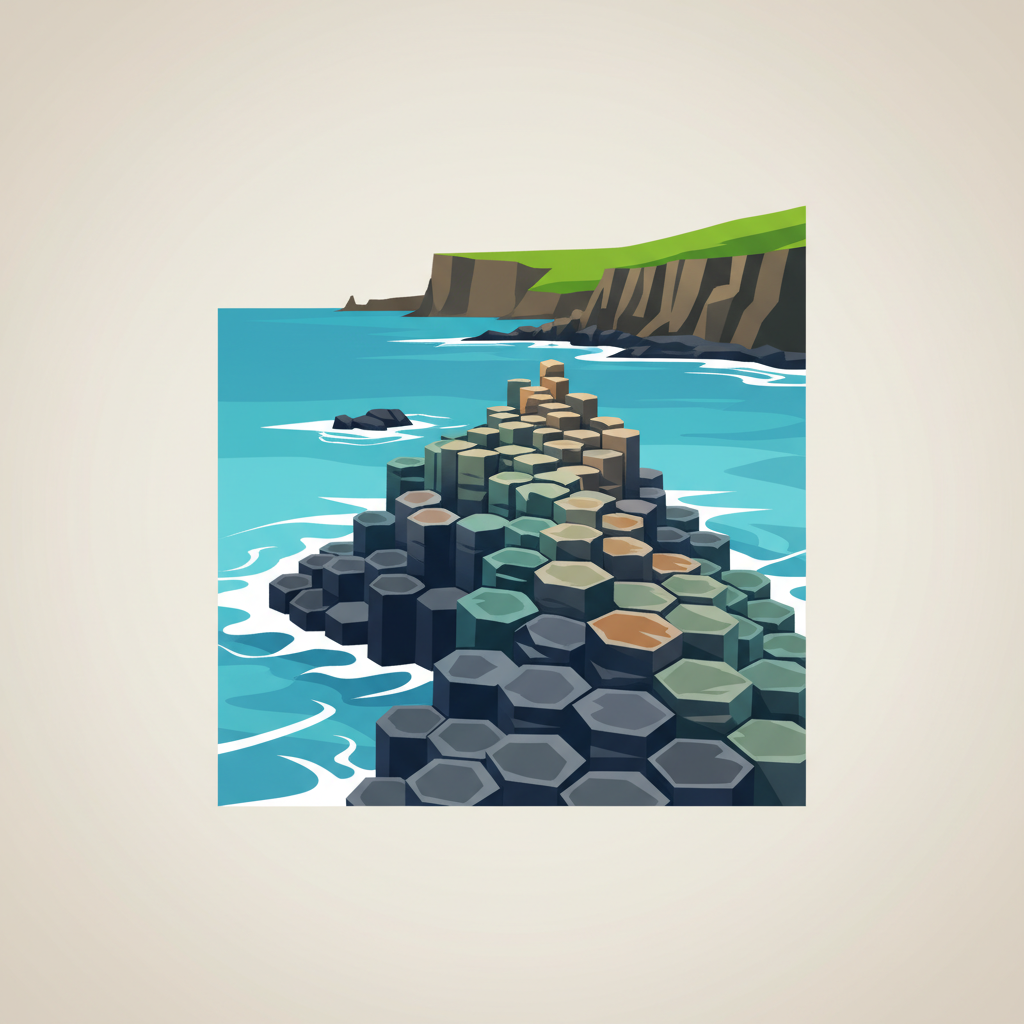
Among the most iconic natural formations in Northern Ireland is the Giant's Causeway, a UNESCO World Heritage site that draws visitors from across the globe. This natural phenomenon is renowned for its unique interlocking basalt columns, which stretch over 40,000 in number and create a dramatic landscape that seems almost otherworldly. The scientific explanation for their formation lies in the intense volcanic activity that occurred around 60 million years ago. As lava cooled rapidly, it contracted and fractured, forming the distinctive hexagonal columns that we see today. This process is a textbook example of columnar jointing and offers invaluable insights into volcanic activity and geological processes.
Yet, the allure of the Giant's Causeway extends beyond its geological significance. The site is steeped in myth and legend, the most famous being that of the Irish giant Fionn mac Cumhaill (Finn McCool), who is said to have built the causeway to walk to Scotland to challenge his rival Benandonner. This mythic narrative enhances the site's cultural dimension, drawing a connection between Ireland's ancient folklore and its natural landscapes. Such stories illustrate how natural landmarks can become woven into the cultural fabric of a place, serving as a bridge between the physical and the mythical.
Visiting the Giant's Causeway is not merely an opportunity to witness a geological marvel but also to immerse oneself in the cultural narratives that have shaped Northern Ireland's identity. The site is equipped with a visitor center that provides educational exhibits detailing both the scientific and mythological aspects of the Causeway, ensuring that visitors gain a comprehensive understanding of its significance.
The Mourne Mountains: A Hiker's Paradise and Its Cultural Importance
Heading south, the Mourne Mountains present a stark contrast to the coastal formations of the Giant's Causeway. This granite mountain range, celebrated for its rugged beauty, offers a different kind of natural wonder. The Mournes are a hiker's paradise, with numerous trails that vary in difficulty, catering to both the casual walker and the seasoned trekker. The highest peak, Slieve Donard, stands at 850 meters, offering breathtaking views of the surrounding countryside and coastline, a testament to the diverse topography of Northern Ireland.
The Mourne Mountains are not only significant for their scenic beauty but also for their cultural and historical relevance. They have inspired countless artists, writers, and musicians, most notably C.S. Lewis, who is said to have drawn inspiration from the Mournes for the landscapes in his Chronicles of Narnia. This connection between literature and landscape underscores the cultural importance of the Mourne Mountains, highlighting how natural environments can inspire and permeate artistic expression.
Furthermore, the Mournes are historically significant as a site of human activity dating back to ancient times. Evidence of Neolithic and Bronze Age settlements has been found in the area, and the Mourne Wall, a 35-kilometer dry stone wall built to enclose the catchment area of the Silent Valley Reservoir, is a remarkable feat of engineering that highlights the historical endeavors to harness natural resources.
The ecological importance of the Mourne Mountains cannot be overstated. The area is home to diverse flora and fauna, some of which are unique to the region. Conservation efforts are crucial to preserving this biodiversity, with various initiatives aimed at protecting the natural habitats from the potential threats posed by human activity and climate change. Visitors to the Mournes are encouraged to engage with these conservation efforts, ensuring that their impact on the environment is minimal.
The Role of Lough Neagh and Other Significant Bodies of Water in Local Ecology
No exploration of Northern Ireland's natural wonders would be complete without considering its bodies of water, which play a crucial role in the region's ecology and economy. Lough Neagh, the largest freshwater lake in the British Isles, is a central feature of Northern Ireland’s landscape. Covering an area of 383 square kilometers, it serves as a vital resource for both wildlife and human populations.
Ecologically, Lough Neagh is a haven for a variety of species, including several rare and endangered birds. It is designated as a Ramsar site, highlighting its importance as a wetland of international significance. The lake supports a rich diversity of fish, with eel fishing being a traditional and economically significant activity in the area. The Lough Neagh eel is a protected species, and sustainable fishing practices are in place to ensure the long-term viability of this industry.
Culturally, Lough Neagh is surrounded by myths and legends, much like the Giant's Causeway. It is said that the lake was formed when the Irish giant Fionn mac Cumhaill scooped out a chunk of earth to throw at a rival, leaving behind the depression that filled with water to become Lough Neagh. Such tales are an intrinsic part of the local heritage, reflecting the deep connection between the people and their natural environment.
In addition to Lough Neagh, Northern Ireland is dotted with other significant bodies of water, each contributing to the region's ecological balance. For instance, Strangford Lough, a large sea inlet, is noted for its tidal range and rich marine life. It is an area of outstanding natural beauty and a designated Marine Conservation Zone, emphasizing the need for careful stewardship of these vital ecosystems.
The lakes and rivers of Northern Ireland are not only vital for biodiversity but also offer recreational opportunities that enrich the lives of residents and visitors alike. Water-based activities such as boating, fishing, and birdwatching are popular pursuits, allowing individuals to engage directly with the natural environment. These activities not only support local economies but also foster a deeper appreciation of the natural world.
Transitioning to Architectural Marvels
As we conclude our exploration of Northern Ireland's natural wonders and scenic landscapes, it is essential to recognize how these elements form a foundational part of the region's identity. The interplay between geology, ecology, and culture creates a tapestry of natural beauty that is both awe-inspiring and deeply rooted in the human experience.
In the subsequent chapter, we will transition from this focus on the natural world to explore the architectural marvels and urban experiences that Northern Ireland has to offer. Just as the landscapes tell stories of ancient geological forces and cultural legends, the built environment provides insights into the historical and contemporary narratives that continue to shape Northern Ireland. From the ancient castles and iconic shipyards to the vibrant cities and modern innovations, these architectural landmarks offer another dimension to our understanding of this remarkable region.
Chapter 3: Architectural Marvels and Urban Experiences
Architectural Marvels and Urban Experiences
Northern Ireland, while often celebrated for its remarkable natural beauty and storied past, also boasts an impressive array of architectural marvels and dynamic urban experiences. These elements not only highlight the region's historical evolution but also its cultural and economic renaissance. In this chapter, we delve into the architectural and urban landscapes of Northern Ireland's cities and explore the significance of its castles and manors, which stand as enduring symbols of its historical and cultural legacy.
Belfast, the capital city, is a quintessential example of the harmonious blend of Victorian architecture and modern innovation. This vibrant cityscape is a tapestry of historical edifices juxtaposed with cutting-edge structures, each reflecting different periods of Belfast's storied past and dynamic present. Meanwhile, Derry/Londonderry, famously known as the "Walled City," offers a unique urban landscape that encapsulates centuries of history within its fortifications. Each of these cities presents a distinct narrative of resilience and transformation, providing visitors with profound insights into the region's urban heritage.
Belfast: A Blend of Victorian Architecture and Modern Innovation
Belfast, Northern Ireland's bustling capital, is a city where the past and present converge in a captivating dialogue. Its architectural landscape is a testament to this interplay, offering a vibrant mix of Victorian grandeur and modern-day ingenuity. Strolling through the city, one can witness the enduring legacy of the Industrial Revolution alongside contemporary architectural trends that reflect Belfast's ongoing transformation.
The City Hall, a masterpiece of Edwardian Baroque architecture, stands as a symbol of Belfast's prosperous past. Completed in 1906, the building's imposing façade and opulent interiors are a tribute to the city's industrial wealth during the late 19th and early 20th centuries. The City Hall's iconic copper dome and Portland stone silhouette dominate the skyline, serving as a focal point for civic pride and municipal governance. The meticulously manicured grounds surrounding the City Hall offer a tranquil oasis amid the urban bustle, inviting both locals and tourists to reflect on the city's rich history.
Just a stone's throw away lies the Grand Opera House, another jewel in Belfast's architectural crown. Designed by the renowned architect Frank Matcham, the opera house opened its doors in 1895 and has since been a cornerstone of the city's cultural life. Its opulent interior, adorned with ornate plasterwork and sumptuous red velvet, transports visitors back to the golden age of theatre, while modern renovations have ensured its continued relevance in the contemporary cultural landscape.
While Victorian architecture provides a window into Belfast's past, the Titanic Belfast exhibition is a beacon of modern innovation. Situated in the Titanic Quarter, this angular, aluminum-clad structure pays homage to the city's shipbuilding heritage. The exhibition center, which opened in 2012, offers an immersive experience that chronicles the Titanic's construction, launch, and fateful maiden voyage. Its design, reminiscent of a ship's prow, has become an iconic symbol of Belfast's resilience and reinvention.
Beyond these landmarks, Belfast's urban regeneration initiatives have transformed former industrial areas into vibrant cultural quarters. The Cathedral Quarter, with its cobbled streets and eclectic mix of galleries, pubs, and restaurants, epitomizes this revival. Here, contemporary art installations and street performances coexist with historic buildings, creating a dynamic urban tapestry that celebrates both tradition and innovation.
Derry/Londonderry: A City of Walls and Its Unique Urban Landscape
Derry/Londonderry, often referred to simply as Derry, is Northern Ireland's second-largest city and one of its most historically significant. Known as the "Walled City," Derry is famed for its remarkably well-preserved 17th-century city walls, which encircle the old city and offer unparalleled views of the surrounding landscape.

The Derry Walls, completed in 1618, are a testament to the city's strategic importance and turbulent past. These fortifications, stretching over a mile in circumference, are among the finest examples of walled defenses in Europe. Walking along the walls, visitors can gain a tangible sense of history, with panoramic vistas that encompass both the ancient cityscape and the modern urban sprawl beyond. The walls, punctuated by bastions and gates, have withstood numerous sieges and conflicts, standing as enduring symbols of the city's resilience and defiance.
Within the walls, the Guildhall stands as a focal point of civic life. This neo-Gothic building, completed in 1890, features stunning stained glass windows that depict scenes from Derry's storied past, including its maritime heritage and the infamous Siege of Derry. The Guildhall's clock tower, a prominent feature of the city's skyline, chimes regularly, marking the passage of time in this historic city.
Beyond its architectural heritage, Derry is a city of cultural vibrancy and artistic innovation. The Bogside Murals, a series of politically charged artworks, chronicle the city's tumultuous history during the Troubles. These murals, painted on the gable walls of residential buildings, serve as poignant reminders of the city's struggle for civil rights and its journey towards peace and reconciliation. Together, they form the People's Gallery, a powerful testament to Derry's resilience and its ongoing commitment to peacebuilding.
Derry's cultural renaissance is further exemplified by its designation as the UK's first City of Culture in 2013. This accolade has spurred a flourishing arts scene, with the city hosting a diverse array of festivals, performances, and exhibitions that celebrate its rich cultural tapestry. The city's creative spirit is perhaps best encapsulated by the Nerve Centre, a hub for music, film, and digital media that nurtures local talent and fosters international collaborations.
The Significance of Castles and Manors
Northern Ireland's landscape is dotted with castles and manors, each bearing witness to the region's feudal past and aristocratic heritage. These stately structures, often perched atop dramatic cliffs or nestled within verdant estates, offer glimpses into the lives of the nobility and the socio-political dynamics of bygone eras.
Dunluce Castle, perched precariously on the edge of a basalt cliff, is one of Northern Ireland's most iconic ruins. Dating back to the 13th century, this imposing fortress was once the seat of the MacDonnell clan, a powerful Gaelic family with strong ties to Scotland. The castle's dramatic location and storied past have inspired countless legends, including tales of banshees and ghostly apparitions. Despite its ruinous state, Dunluce Castle remains a captivating monument to the turbulent history of the region, offering visitors a dramatic glimpse into the past.
In contrast to the windswept ruins of Dunluce, Hillsborough Castle offers a more refined glimpse into the aristocratic lifestyle of Northern Ireland's landed gentry. Originally built in the 18th century as a Georgian mansion, Hillsborough Castle has served as the official residence of the British monarch in Northern Ireland since 1924. Set within 100 acres of beautifully landscaped gardens, the castle's elegant interiors and opulent furnishings reflect its royal connections and storied past. Guided tours of the castle provide insights into its history and the notable figures who have graced its halls, from royalty to statesmen.
Beyond their historical significance, these castles and manors play a vital role in Northern Ireland's cultural tourism industry. They offer visitors a tangible connection to the past, while also serving as venues for cultural events, weddings, and community gatherings. By preserving and promoting these architectural treasures, Northern Ireland not only safeguards its heritage but also fosters a deeper appreciation of its cultural legacy among locals and visitors alike.
Conclusion and Lead-in to the Next Chapter
As we have seen, Northern Ireland's architectural marvels and urban experiences offer a rich tapestry of history, culture, and innovation. From the Victorian and modernist landmarks of Belfast to the ancient walls and vibrant cultural scene of Derry/Londonderry, the region's cities provide a fascinating window into its past and present. Meanwhile, the castles and manors that dot the landscape serve as enduring symbols of Northern Ireland's feudal history and aristocratic heritage.
In the next chapter, we will delve deeper into Northern Ireland's cultural heritage and local traditions. We will explore the customs and practices that have shaped the region's identity, from traditional music and dance to festivals and culinary delights. By examining these cultural expressions, we will gain a deeper understanding of the vibrant and diverse tapestry that defines Northern Ireland today.
Chapter 4: Cultural Heritage and Local Traditions
Cultural Heritage and Local Traditions
Northern Ireland, with its verdant landscapes and storied history, offers a cultural heritage that is as rich and varied as its physical geography. This chapter delves into the heart of Northern Ireland's cultural identity, exploring the folklore, music, festivals, and culinary traditions that define and continue to shape its communities. With a complex blend of influences from Celtic, Gaelic, and Anglo-Saxon roots, Northern Ireland's cultural tapestry is reflective of its historical journey and its modern vitality.
An Overview of Northern Ireland's Rich Folklore and Traditional Practices
The folklore of Northern Ireland is a vital component of its cultural heritage, intertwining with the everyday lives of its people and offering a glimpse into the collective psyche of the region. Folktales, myths, and legends are not merely relics of the past but are actively preserved and celebrated, providing a narrative continuity that connects the present with the ancient.
One of the most captivating aspects of Northern Irish folklore is the enduring presence of the fairy folk, or the Aos Sí. These mythical beings are considered to inhabit the otherworld, a realm parallel to the human world. The belief in fairies and their influence on human affairs has led to numerous traditions aimed at appeasing these supernatural entities. For example, Fairy Trees, often hawthorns standing alone in the countryside, are treated with reverence. It is considered bad luck to cut down or damage these trees, as they are believed to be the homes of fairies.
Another significant element of folklore is the legend of Finn McCool, a giant warrior celebrated in Irish mythology. The story of Finn McCool and the Giant's Causeway is particularly famous, with the basalt columns on the Antrim coast said to be the remnants of a causeway built by Finn to cross over to Scotland. This tale is emblematic of how folklore is interwoven with the physical landscape, providing a mythological explanation for the region's geological wonders.
Traditional practices in Northern Ireland also include a rich array of seasonal festivities that blend pagan customs with Christian beliefs. One such tradition is Samhain, celebrated on October 31st, which marks the end of the harvest season and the beginning of winter. This festival, which has evolved into Halloween, involves customs such as carving turnips (later pumpkins), lighting bonfires, and engaging in divination games, reflecting the ancient belief in the thinning of the veil between the worlds of the living and the dead.
The Significance of Music and Festivals in Cultural Expression
Music is a cornerstone of cultural expression in Northern Ireland, serving as both a means of storytelling and a form of communal identity. The region's musical traditions are a testament to its historical and cultural diversity, incorporating influences from Celtic and Scottish music, as well as more contemporary genres.

Traditional Irish music, characterized by its use of instruments such as the fiddle, tin whistle, and bodhrán, plays a fundamental role in cultural gatherings and celebrations. Sessions, or informal gatherings where musicians play together, are a common feature in pubs throughout Northern Ireland. These sessions not only serve as a platform for preserving traditional tunes but also foster a sense of community and continuity.
In addition to traditional music, Northern Ireland has a vibrant festival scene that showcases the region's musical diversity. One of the most notable events is the Belfast International Arts Festival, which celebrates a wide range of artistic expressions, including music, theatre, and dance. The festival attracts performers from around the world, highlighting Belfast's status as a cultural hub.
Another significant festival is the Féile an Phobail, or the West Belfast Festival, which began in 1988 as a community response to the Troubles. It has since grown into one of the largest community arts festivals in Ireland, featuring an eclectic mix of music, theatre, and visual arts. The festival serves as a testament to the resilience and creativity of the people of Northern Ireland, offering a platform for cultural expression and social dialogue.
Culinary Delights: Traditional Dishes and Modern Interpretations
The culinary landscape of Northern Ireland is a reflection of its agricultural heritage and cultural influences, offering a diverse array of flavors and dishes that delight the palate. Traditional cuisine is characterized by hearty, rustic fare that makes use of locally sourced ingredients, including potatoes, seafood, and dairy products.
Ulster Fry, the quintessential Northern Irish breakfast, is a hearty meal that includes bacon, sausages, eggs, soda bread, and potato bread, all fried to perfection. This dish is a staple of Northern Irish cuisine and is particularly popular as a weekend indulgence. The Ulster Fry exemplifies the region's emphasis on simple, satisfying meals that provide sustenance and comfort.
Another beloved traditional dish is Irish Stew, a warming concoction of lamb, potatoes, onions, and carrots. This dish, which has been enjoyed for generations, embodies the essence of Northern Irish home cooking: nutritious, flavorful, and deeply satisfying. The simplicity of its ingredients belies the complexity of its flavors, achieved through slow cooking that allows the meat and vegetables to meld into a harmonious whole.
In recent years, there has been a burgeoning interest in modern interpretations of traditional Northern Irish cuisine, with chefs incorporating contemporary techniques and global influences to create innovative dishes. Belfast, in particular, has emerged as a culinary destination, with a growing number of restaurants offering creative takes on classic dishes.
One such example is Oysters with Buttermilk and Seaweed, a dish that pays homage to Northern Ireland's coastal bounty while introducing new flavors and textures. The use of seaweed, a traditional ingredient, in a contemporary context highlights the region's culinary evolution and its embrace of both tradition and innovation.
Embracing the Past and Shaping the Future
The cultural heritage of Northern Ireland is a dynamic and evolving entity, rooted in the past yet continually shaped by the present. Folklore, music, festivals, and culinary traditions are not static relics but living expressions of identity and community. They offer insights into the values, beliefs, and aspirations of the people of Northern Ireland, providing a window into a world where history and modernity coexist in harmony.
As visitors explore Northern Ireland's cultural landscape, they are invited to engage with its traditions, participate in its festivals, and savor its culinary delights. Through these experiences, they gain a deeper understanding of the region's unique character and the resilience of its people.
A Natural Lead-In to the Next Chapter
Understanding Northern Ireland's cultural heritage and local traditions provides a foundation for appreciating the nuances of the region. However, to truly experience its wonders, practical knowledge and travel tips are essential. The next chapter, "Practical Tips for the Discerning Traveler," will equip readers with the information they need to navigate Northern Ireland with confidence and ease. From transportation options and accommodation recommendations to insider tips on avoiding crowds and discovering hidden gems, this upcoming chapter promises to enhance your journey through this captivating land.
Chapter 5: Practical Tips for the Discerning Traveler
Practical Tips for the Discerning Traveler
As we conclude our exploration of Northern Ireland, it is crucial to equip you with practical knowledge that will enhance your travel experience. Navigating the stunning landscapes, understanding the nuances of the local climate, and selecting the right accommodations and dining experiences are essential components of a successful journey. This chapter will delve into these aspects with comprehensive guidance and insights, ensuring that your time in Northern Ireland is as rewarding and enjoyable as possible.
Navigating Northern Ireland: Transport Options and Travel Tips
Northern Ireland, with its mix of urban centers and rural expanses, presents a unique set of challenges and opportunities for travelers. Understanding the transportation options available and planning your itinerary accordingly can make a significant difference in your overall experience.
For those arriving from international destinations, Belfast International Airport and George Best Belfast City Airport are the primary gateways. These airports are well-connected to major cities across Europe and beyond, making Northern Ireland accessible to global travelers. Upon arrival, a variety of transportation options are available to reach your destination.
Public Transportation: Northern Ireland boasts an efficient public transportation system, primarily operated by Translink, which includes both bus and rail services. The train network connects major cities such as Belfast, Derry/Londonderry, and Coleraine, offering a scenic and comfortable way to travel between urban centers. The buses extend into more rural areas, providing access to locations that might otherwise be challenging to reach. For those planning to use public transport extensively, the iLink card offers unlimited travel on buses and trains within specified zones, which can be a cost-effective and convenient choice.
Car Rental: For travelers seeking flexibility and the freedom to explore at their own pace, renting a car is an ideal option. The road network in Northern Ireland is well-maintained, and driving offers the opportunity to visit remote attractions and scenic routes that public transport may not cover. It is important to note that driving is on the left-hand side of the road, and familiarizing oneself with local traffic regulations is advisable. Additionally, some rural roads can be narrow and winding, requiring careful navigation.
Cycling: For the environmentally conscious traveler or those who relish an active holiday, cycling offers an intimate way to experience Northern Ireland's landscapes. The National Cycle Network provides numerous routes that traverse both urban and rural areas, with some paths offering breathtaking views of the coast and countryside.
Walking: Northern Ireland is a paradise for walkers, with countless trails catering to all levels of fitness and experience. Whether it's a leisurely stroll along the Causeway Coast or a challenging hike in the Mourne Mountains, walking allows travelers to immerse themselves fully in the natural beauty of the region.
Seasonal Considerations: Best Times to Visit and Weather Impacts
The climate in Northern Ireland is typically temperate maritime, characterized by mild winters and cool summers. However, the weather can be unpredictable, with conditions varying significantly even within a single day. Understanding the seasonal variations can help you plan your visit to maximize enjoyment and comfort.
Spring (March to May): Spring is a delightful time to visit Northern Ireland as the countryside bursts into life with blooming flowers and lush greenery. Temperatures range from 8°C to 15°C (46°F to 59°F), offering pleasant conditions for outdoor activities. This season also features fewer crowds, providing a more serene experience at popular attractions.
Summer (June to August): The summer months are the peak tourist season, with temperatures ranging from 15°C to 20°C (59°F to 68°F). These months offer the longest daylight hours, allowing for extended exploration of outdoor attractions. However, the popularity of this season means that accommodations and tourist sites can be busier and may require advanced booking.
Autumn (September to November): Autumn brings a tapestry of colors as leaves change, offering a picturesque landscape for visitors. Temperatures begin to cool, ranging from 8°C to 18°C (46°F to 64°F), but the weather remains conducive to outdoor activities. This season is ideal for those who appreciate the beauty of nature and wish to avoid the summer crowds.
Winter (December to February): Winter in Northern Ireland is mild compared to other regions at similar latitudes, with temperatures rarely dropping below freezing. However, daylight hours are shorter, and some attractions may have reduced operating hours. For those who do not mind the cooler temperatures, winter offers a unique charm, with the possibility of experiencing the festive holiday atmosphere in towns and cities.
Regardless of the season, it is wise to pack layers and waterproof clothing, as rain is a frequent visitor in Northern Ireland. Being prepared for sudden changes in weather will ensure that you can enjoy your itinerary without discomfort.
Local Insights: Recommendations for Accommodations and Dining Experiences
Selecting the right accommodations and dining experiences is a crucial aspect of travel that can significantly enhance your visit to Northern Ireland. The region offers a diverse range of options to suit various preferences and budgets.
Accommodations: From luxurious hotels to charming bed and breakfasts, Northern Ireland provides a variety of lodging choices. For those seeking a unique experience, a stay in a historic castle or manor house can offer a glimpse into the region's past while providing modern comforts. Many of these establishments are located in picturesque settings, offering stunning views and tranquil surroundings.
For a more personal touch, guesthouses and B&Bs offer an opportunity to engage with local hosts, who often provide valuable insights and recommendations. These accommodations are typically smaller and more intimate, allowing for a more personalized experience.
For budget-conscious travelers, hostels and self-catering apartments provide affordable options without compromising on comfort. These accommodations often attract a diverse group of travelers, offering opportunities for social interaction and shared experiences.
Dining Experiences: Northern Ireland is increasingly recognized for its culinary offerings, which blend traditional flavors with modern innovations. The region's fertile land and proximity to the sea provide an abundance of fresh, local ingredients that form the basis of its cuisine.
- Traditional Fare: A visit to Northern Ireland would be incomplete without sampling its traditional dishes. Ulster Fry, a hearty breakfast featuring bacon, eggs, sausage, and soda bread, is a must-try. Other local favorites include Irish stew, made with tender lamb and root vegetables, and champ, a comforting dish of mashed potatoes with scallions.
- Seafood: The coastal location of Northern Ireland ensures a plentiful supply of fresh seafood. From succulent oysters harvested in Strangford Lough to the famous smoked salmon of the north coast, seafood lovers will find much to savor.
- Modern Cuisine: The culinary scene in Northern Ireland has witnessed a renaissance, with an increasing number of chefs garnering international acclaim for their innovative approaches. Many restaurants focus on sustainability and the use of locally sourced ingredients, offering menus that reflect the changing seasons.
- Local Pubs: No visit would be complete without experiencing the warm hospitality of a local pub. Pubs in Northern Ireland are more than just places to eat and drink; they are social hubs where locals and visitors gather to share stories and enjoy live music. Sampling a pint of locally brewed ale or cider in the convivial atmosphere of a pub is an essential part of the Northern Irish experience.
Conclusion: Embrace the Journey
As we close this chapter and this book, it is our hope that you feel well-equipped to embark on your journey to Northern Ireland. This remarkable region, with its rich tapestry of history, culture, and natural beauty, offers an experience that is both enriching and transformative. Whether you are drawn to the rugged coastlines, the vibrant cities, or the welcoming communities, Northern Ireland promises memories that will linger long after your visit has concluded.
Approach your travels with an open mind and a spirit of adventure, embracing the unexpected encounters and serendipitous discoveries that often provide the most profound experiences. As you navigate the landscapes, savor the flavors, and engage with the people of Northern Ireland, may you find inspiration and a deeper connection to this extraordinary land.
In summary, Northern Ireland is a destination that captivates the heart and soul. With the insights and practical tips provided in this chapter, you are now prepared to explore and appreciate the wonders that await. Safe travels, and may your journey be filled with joy, discovery, and lasting memories.